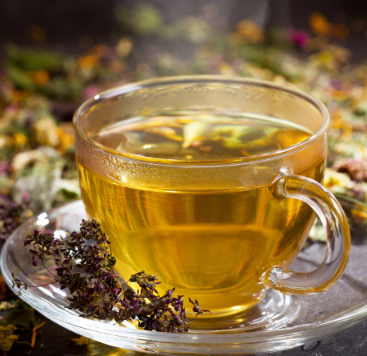
Herbal teas have long been enjoyed as simple, comforting drinks that invite a pause in the day. Unlike traditional teas made from tea leaves, herbal teas are created from a wide variety of plants, including flowers, herbs, roots, seeds, and fruits. This natural diversity gives herbal teas their
wide range of flavors, colors, and aromas, making each cup a small sensory experience. For many people, savoring herbal tea is less about strict routines and more about enjoying a moment of calm that fits naturally into daily life.
One of the most appealing aspects of herbal teas is their gentle, natural character. The flavors tend to feel approachable and easy to enjoy, whether warm or chilled. A cup of herbal tea can feel like a quiet invitation to slow down, breathe, and enjoy something simple. This is often where the idea of wellness connects with herbal tea.
Rather than focusing on dramatic results, herbal teas support wellness by encouraging mindful habits and moments of relaxation throughout the day.
The natural flavors found in herbal teas are deeply connected to the plants themselves. Chamomile offers a soft, floral taste that many people associate with evening relaxation. Peppermint provides a refreshing and cooling sensation that feels uplifting and clean. Rooibos delivers a smooth, earthy sweetness that is comforting and rich without being overpowering. Hibiscus brings a bright, tart flavor that feels lively and refreshing. Each herbal tea has its own personality, allowing people to explore and discover blends that match their preferences and moods.
Enjoying herbal tea can become a gentle ritual that supports everyday balance. Preparing a cup does not require elaborate tools or techniques. Heating water, measuring the herbs, and allowing the tea to steep creates a few quiet minutes that naturally slow the pace of the day. These small pauses can be valuable in a busy world, offering a chance to step away from screens and responsibilities. Over time, these moments can add a sense of rhythm and calm to daily routines.
Herbal teas also invite curiosity and creativity. With so many plants and blends available, there is always something new to try. Some people enjoy experimenting with single-ingredient teas to better understand each flavor, while others prefer blends that combine herbs, fruits, and spices for a layered taste. Adding a slice of citrus, a drizzle of honey, or a splash of plant-based milk can further personalize the experience. This freedom to explore helps keep herbal tea enjoyable and engaging.
Another reason herbal teas are often linked to wellness is their versatility. They can be enjoyed in the morning as a gentle start to the day, during afternoon breaks as a refreshing pause, or in the evening as a soothing way to unwind. Because many herbal teas are naturally free from caffeine, they fit comfortably into different times of day without disrupting sleep routines. This flexibility makes herbal tea an easy companion for a wide range of lifestyles.
The sensory experience of herbal tea plays an important role in its appeal. The aroma released as hot water meets dried herbs can be comforting and grounding. Watching the color of the tea deepen as it steeps adds a visual element that encourages patience and presence. The warmth of the cup in your hands and the gentle flavors on your palate invite you to slow down and enjoy the moment. These sensory details help transform a simple beverage into a mindful experience.
Sharing herbal tea can also be a meaningful social activity. Offering a guest a cup of herbal tea is a warm, welcoming gesture that creates a relaxed atmosphere. Conversations often flow more easily when people are gathered around a comforting drink. Herbal teas can be enjoyed during quiet moments alone or shared with others, making them adaptable to both personal reflection and connection.
In many cultures, herbal teas have been part of daily life for generations. While traditions and ingredients vary around the world, the underlying idea remains the same: herbal teas are enjoyed as natural, plant-based drinks that complement everyday living. This long history adds a sense of familiarity and trust, even as modern blends and flavors continue to evolve.
Choosing quality ingredients can enhance the enjoyment of herbal tea. Fresh, well-sourced herbs tend to offer clearer flavors and more inviting aromas. Storing herbal teas properly, away from heat and moisture, helps preserve their character over time. Paying attention to water temperature and steeping time can also make a noticeable difference in taste, allowing the natural flavors to shine without becoming too strong or bitter.
Ultimately, savoring the natural flavors of herbal teas is about more than what is in the cup. It is about the experience surrounding it. Herbal tea encourages gentle habits that support a balanced lifestyle, such as taking breaks, staying hydrated, and enjoying moments of calm. These small, consistent choices can contribute to a general sense of well-being without pressure or complexity.
In a world that often feels fast and demanding, herbal teas offer a simple way to reconnect with natural flavors and quiet moments. Each cup invites you to pause, taste, and appreciate something uncomplicated yet deeply satisfying. By welcoming herbal teas into your daily routine, you create space for mindfulness, comfort, and enjoyment, one sip at a time.