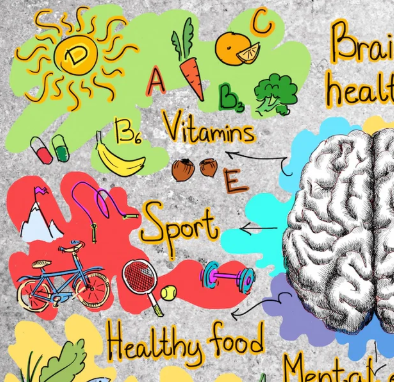
Caring for the brain does not require complicated routines or expensive programs. In many cases, the most meaningful improvements come from gentle, consistent daily patterns that support focus, memory, and emotional balance over time. When healthy
habits are repeated in small and realistic ways, the brain learns to function with greater ease. This steady approach can help people feel more present, more energized, and more confident in everyday life.
One of the most important foundations of brain health is quality sleep. During restful sleep, the brain processes information, restores energy, and supports memory. A calm evening routine can make a meaningful difference. Dimming lights, reducing screen
use, and keeping a regular bedtime signal to the body that it is time to rest. Even small adjustments, such as going to bed fifteen minutes earlier or waking at the same time each morning, can gradually strengthen natural sleep rhythms. Over time, these rhythms support clearer thinking and steadier moods throughout the day.
Gentle movement is another powerful part of daily brain care. Physical activity increases blood flow, which helps deliver oxygen and nutrients to brain cells. This does not need to involve intense workouts. Walking, stretching, light dancing, or simple household activity can all contribute to mental clarity. The key is consistency rather than intensity. Moving the body in enjoyable ways encourages the brain to release helpful chemicals connected to mood and motivation. When movement feels pleasant instead of stressful, it becomes easier to maintain as part of everyday life.
Nutrition also plays a steady role in supporting mental wellness. Balanced meals that include fruits, vegetables, whole grains, healthy fats, and sources of protein provide the building blocks the brain relies on. Drinking enough water is equally important, since even mild dehydration can make concentration more difficult. Rather than focusing on strict rules, a helpful approach is to notice how different foods affect energy and focus. Choosing meals that leave the body feeling steady and satisfied helps create a sustainable pattern of nourishment.
Mental stimulation keeps the brain active and adaptable. Learning new skills, reading, solving puzzles, practicing music, or exploring creative hobbies all encourage the brain to form new connections. Variety is especially useful. Trying something unfamiliar challenges attention in gentle ways and can bring a sense of curiosity back into daily life. These activities do not need to take long periods of time. Even short moments of learning, repeated regularly, can strengthen mental flexibility.
Emotional well-being is closely connected to cognitive health. Stress is a natural part of life, yet constant tension can make thinking feel cloudy or overwhelming. Simple calming practices can help the nervous system return to balance. Slow breathing, quiet reflection, or spending time in nature may reduce mental strain and support clearer focus. Many people find comfort in writing thoughts in a journal or talking with someone they trust. These small acts of care remind the brain that it is safe to relax, which supports both mood and memory.
Social connection is another meaningful influence on brain health. Positive conversations and shared experiences stimulate thinking and emotional awareness at the same time. Feeling heard and supported can reduce feelings of isolation while encouraging mental engagement. This connection might come from family, friends, neighbors, or community groups. Even brief, friendly interactions throughout the day can lift mood and keep the mind active. The goal is not constant social activity, but regular moments of genuine connection.
Healthy daily patterns also benefit from mindful use of technology. Digital tools can inform and entertain, yet constant notifications may divide attention and increase fatigue. Setting gentle boundaries around screen time can help protect focus. For example, choosing specific times to check messages or creating device-free moments during meals allows the brain to rest from continuous input. These pauses support deeper concentration and a greater sense of calm.
Another supportive habit is maintaining a sense of purpose. Having meaningful goals, even small ones, gives direction to daily actions. Purpose might come from creative projects, helping others, learning new topics, or caring for personal spaces. When the brain feels that daily life has meaning, motivation often grows naturally. Celebrating small accomplishments reinforces confidence and encourages continued progress.
Consistency is more valuable than perfection in any brain healthy routine. It is normal for schedules to change or for motivation to vary from day to day. What matters most is returning gently to supportive habits without self-criticism. The brain responds well to patience and repetition. Over time, small positive actions combine to create noticeable improvements in clarity, mood, and resilience.
Environment also shapes mental well-being. Spaces that feel calm, organized, and comfortable can reduce distraction and support focus. Natural light, fresh air, and simple order in living areas often make thinking feel easier. Even minor changes, such as clearing a small surface or adding a plant, can influence how the brain experiences daily surroundings. A peaceful environment quietly encourages peaceful thinking.
Gratitude and positive reflection provide another gentle form of mental nourishment. Taking a moment to notice what is going well can shift attention away from constant worry. This does not mean ignoring challenges, but rather allowing space for balance. Remembering kind moments, small achievements, or simple comforts helps the brain recognize safety and satisfaction. Over time, this practice may support emotional stability and hopeful thinking.
Creating brain healthy daily patterns is ultimately about kindness toward oneself. Instead of chasing dramatic change, it focuses on steady care that fits naturally into real life. Simple sleep routines, nourishing meals, regular movement, calm moments, learning opportunities, and meaningful relationships all work together to support mental wellness. Each small action sends a quiet message to the brain that it is valued and supported.
When practiced consistently, these patterns can help thinking feel clearer and emotions feel steadier. The journey does not require urgency. Gentle progress, repeated day after day, is enough to encourage lasting benefits. By choosing supportive habits and allowing them to grow gradually, anyone can create a daily rhythm that nurtures both mind and overall well-being.