Mental balance is not something that appears overnight. It grows slowly through small, thoughtful choices that support emotional stability, clear thinking, and a steady sense of well-being. In everyday life, pressures from work, school, relationships, and
constant information can pull attention in many directions. Because of this, learning practical ways to maintain mental balance becomes an important part of living a healthy and meaningful life.
One of the most helpful starting points is creating gentle daily routines. Simple, predictable patterns give the mind a sense of safety and structure. Waking up at a similar time each day, eating regular meals, and allowing space for rest help regulate natural
body rhythms. When routines feel calm rather than strict, they reduce unnecessary stress and make it easier to focus on what truly matters.
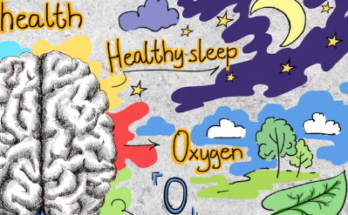
Sleep also plays a powerful role in emotional balance. A rested mind handles challenges with more patience and clarity. Building a calming bedtime routine, limiting bright screens before sleep, and keeping the sleeping space quiet and comfortable can gradually improve rest. Even small improvements in sleep quality often lead to noticeable changes in mood and concentration.
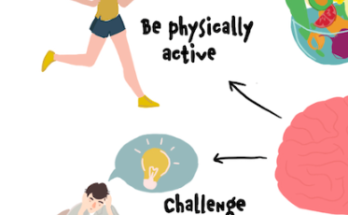
Movement is another gentle yet effective support for mental wellness. The goal does not need to be intense exercise. Walking outside, stretching, dancing to music, or practicing slow breathing with light movement can refresh both body and mind. Physical activity encourages the release of natural chemicals that support relaxation and positive feelings. Over time, regular movement can make stressful moments feel more manageable.
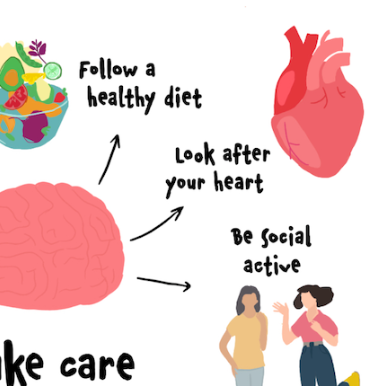
Nutrition also influences emotional steadiness. Balanced meals that include a variety of whole foods help maintain consistent energy throughout the day. Drinking enough water supports focus and prevents fatigue that can sometimes feel like irritability or worry. Rather than focusing on strict rules, a flexible and kind approach to eating often creates the most sustainable results.
Another practical step toward mental balance is learning to pause. Many people move quickly from one task to the next without allowing their thoughts to settle. Short moments of quiet breathing, noticing sounds in the environment, or simply resting the eyes for a minute can reset attention. These pauses may seem small, yet they remind the nervous system that it is safe to slow down.
Healthy boundaries are equally important. Saying yes to every request can lead to exhaustion, while respectful limits protect time and energy. Boundaries are not about pushing others away. They are about caring for personal well-being so that kindness and patience remain available. Clear communication, even in simple words, often prevents misunderstandings and reduces emotional strain.
Connection with supportive people strengthens mental resilience. Conversations with friends, family members, teachers, or trusted mentors create space to share thoughts and feelings. Feeling heard reminds the mind that it does not have to carry everything alone. Even brief, positive interactions can lift mood and bring comfort during difficult days.
Spending time in nature offers another quiet source of balance. Natural light, fresh air, and gentle outdoor sounds help calm the senses. Sitting near trees, walking in a park, or watching clouds move across the sky can provide a peaceful break from busy environments. These experiences encourage reflection and restore mental energy without requiring effort.
Limiting overwhelming information is also helpful. Constant news updates, social media comparisons, and fast-moving online content can increase tension without people realizing it. Choosing specific times to check information and allowing screen-free periods during the day creates room for calmer thoughts. This does not mean avoiding technology completely, but using it in ways that feel supportive rather than draining.
Creative expression provides another healthy outlet for emotions. Writing, drawing, playing music, crafting, or building something with the hands allows thoughts to move freely without judgment. Creativity is not about perfection. It is about exploration and personal meaning. Many people find that creative moments bring relaxation and renewed motivation.
Practicing gratitude can gently shift attention toward positive experiences. Noticing small moments of comfort, kindness, or beauty helps balance the mind’s natural tendency to focus on problems. Gratitude does not ignore challenges. Instead, it reminds people that good experiences can exist alongside difficult ones. Over time, this balanced perspective supports emotional strength.
Self-talk also shapes mental balance. The way people speak to themselves during mistakes or stress matters deeply. Harsh inner criticism often increases anxiety, while patient and encouraging words create resilience. Treating oneself with the same kindness offered to a good friend builds confidence and emotional safety.
Setting realistic goals is another practical strategy. Large expectations can feel overwhelming, especially when progress seems slow. Breaking goals into small, achievable steps creates a sense of movement and success. Each completed step builds motivation and reminds the mind that growth is possible.
Relaxation practices can further support calm thinking. Gentle breathing exercises, quiet reflection, or guided relaxation recordings help release physical tension stored in the body. These methods are simple, require little time, and can be used almost anywhere. With regular practice, relaxation becomes easier and more natural.
It is also important to recognize when extra support may be helpful. Speaking with a counselor, therapist, or healthcare professional can provide guidance tailored to individual needs. Seeking help is a sign of strength and self-awareness. Professional support often offers new tools for managing stress and improving emotional balance.
Patience remains one of the most valuable qualities in this process. Mental balance is not a perfect, constant state. Everyone experiences difficult days, changing emotions, and unexpected challenges. Progress comes from returning to supportive habits again and again, even after setbacks. Gentle persistence allows well-being to grow steadily over time.
In the end, encouraging mental balance is about caring for the whole person with kindness and understanding. Small daily actions, supportive relationships, healthy rest, and moments of calm all work together to create stability. When people choose compassionate routines and allow themselves space to grow, mental balance becomes less of a distant goal and more of a natural part of everyday life.