Caring for the brain does not need to feel complicated or overwhelming. Small, steady choices made each day can create a supportive environment for clear thinking, balanced emotions, and long-term mental wellness. When lifestyle habits are gentle and
realistic, they are easier to continue over time, and consistency is what truly helps the mind stay strong.
One of the most helpful places to begin is with rest. Sleep is often described as a natural reset for the brain because it allows thoughts, memories, and emotions to settle into place. A calm bedtime routine can signal to the body that it is time to relax.
Dimming the lights, stepping away from screens, and choosing a quiet activity such as reading or listening to soft music may encourage deeper, more refreshing sleep. Waking at a similar time each morning also supports the body’s internal rhythm, which plays an important role in focus and mood throughout the day.
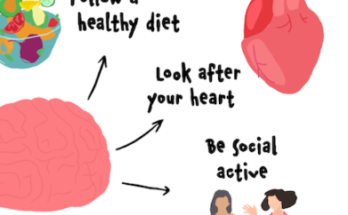
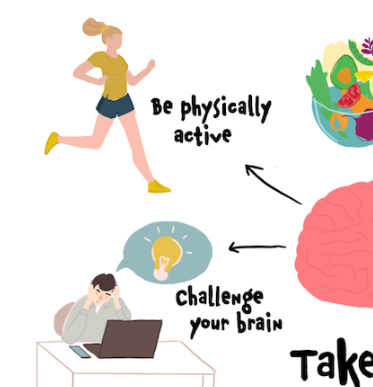
Gentle movement is another meaningful way to support brain health. Physical activity increases blood flow, which delivers oxygen and nutrients that help brain cells function well. This movement does not need to be intense to be beneficial. A relaxed walk outside, light stretching, slow dancing to favorite songs, or simple yoga can all nurture both the body and the mind. Activities that feel enjoyable are more likely to become lasting habits, and enjoyment itself contributes to emotional balance.
Nutrition also plays a quiet yet powerful role in mental clarity. Meals that include a variety of natural colors, whole grains, healthy fats, and adequate hydration can help maintain steady energy levels. Drinking enough water throughout the day is especially important because even mild dehydration may make it harder to concentrate. Eating slowly and mindfully can turn ordinary meals into moments of calm, giving the brain time to recognize fullness and satisfaction.
Stress is a natural part of life, yet gentle ways of responding to stress can protect mental well-being. Simple breathing exercises, moments of stillness, or brief pauses during busy routines allow the nervous system to settle. Spending time in nature often brings a similar calming effect. The sound of leaves moving in the wind, the warmth of sunlight, or the rhythm of waves can help quiet racing thoughts and restore a sense of balance.
Social connection is another essential piece of brain support. Friendly conversations, shared laughter, and feeling understood all stimulate areas of the brain connected to memory and emotional health. These connections do not need to be large or complicated. A short phone call, a message to a friend, or time spent with family members can create meaningful emotional warmth. Feeling connected reminds the brain that it is safe, which supports clearer thinking and resilience.
Mental stimulation keeps the brain active and curious. Reading, learning new skills, solving puzzles, or exploring creative hobbies encourages the formation of new neural pathways. Creativity is especially powerful because it blends imagination with focus. Drawing, writing, crafting, cooking, or playing music can become relaxing forms of mental exercise that feel more like enjoyment than effort. Trying something new, even in small ways, keeps the mind flexible and engaged.
Emotional awareness also supports long-term brain wellness. Allowing feelings to be noticed without harsh judgment can reduce inner tension. Journaling, talking with someone trustworthy, or simply naming emotions in quiet reflection can help the brain process experiences more smoothly. Kind self-talk is equally important. Speaking to oneself with patience rather than criticism encourages confidence and calm decision-making.
Daily routines provide gentle structure that benefits mental clarity. Predictable rhythms for waking, eating, working, relaxing, and sleeping reduce the number of decisions the brain must constantly manage. This saved energy can then be used for creativity, learning, and meaningful relationships. Even small rituals, such as enjoying a warm drink in the morning or taking a short evening walk, can create comforting signals of stability.
Limiting overwhelming information is another thoughtful habit. Constant noise from news, notifications, or crowded schedules can leave the mind feeling scattered. Choosing specific times to check updates and allowing quiet periods without digital input gives the brain space to rest and organize thoughts. Silence, though often overlooked, can be deeply restorative.
Gratitude is a gentle mental practice that shifts attention toward positive moments. Noticing simple comforts such as a pleasant conversation, a peaceful view, or a small accomplishment encourages balanced thinking. Over time, this habit may help the brain become more responsive to encouragement rather than stress. Gratitude does not ignore challenges, but it widens awareness to include hope and appreciation.
Purpose and meaning also nourish the mind. Feeling useful, creative, or connected to something larger than daily routine supports emotional strength. This sense of purpose might come from helping others, caring for pets or plants, volunteering, learning, or pursuing personal goals. Even modest acts of kindness can create a lasting sense of fulfillment that benefits both mood and memory.
It is equally important to approach brain health with patience. Changes in focus, mood, or memory can happen for many reasons, including normal aging or temporary stress. Gentle consistency is more helpful than strict perfection. When a routine is missed, simply beginning again the next day keeps progress moving forward without unnecessary pressure.
Professional guidance can be valuable when concerns about memory, mood, or thinking become persistent. Health professionals are trained to offer supportive advice, reassurance, and care when needed. Seeking help is a sign of attentiveness to well-being and can lead to helpful solutions that make daily life easier.
Ultimately, supporting the brain is less about dramatic change and more about steady kindness toward oneself. Restful sleep, nourishing food, calm movement, meaningful connection, creative curiosity, and quiet reflection all work together in subtle ways. Each gentle choice adds another layer of care, strengthening the mind’s ability to adapt, learn, and remain resilient.
When these habits are practiced with warmth rather than pressure, they become part of a balanced lifestyle that supports both present comfort and future well-being. The brain responds best to consistency, patience, and compassion, and even the smallest caring action can make a meaningful difference over time.