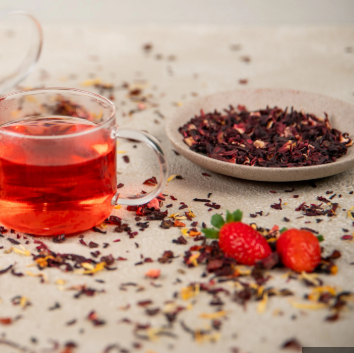
Self-care often sounds like something that requires extra time, special products, or complicated routines. In real life, most people are simply trying to find small, manageable ways to feel better during busy days. One of the simplest and most pleasant ways to support everyday self-care is
through herbal tea. With gentle flavors, comforting warmth, and easy preparation, herbal teas fit naturally into daily life without pressure or fuss.
Herbal tea has a long history of being enjoyed across cultures, not as a cure or a promise, but as a comforting ritual. Today, it continues to offer a quiet moment of pause in a world that often feels rushed. Making a cup of herbal tea does not require special skills or equipment. It can be as
simple as heating water, adding herbs, and allowing a few minutes for steeping. That simplicity is exactly what makes herbal tea such a welcoming companion for self-care.
One of the reasons herbal teas make self-care feel approachable is their flexibility. They can be enjoyed at any time of day, whether it is a calm morning start, a midday break, or a peaceful evening wind-down. Unlike more structured wellness routines, herbal tea does not demand a schedule. It adapts to personal rhythms and moods, offering comfort without expectations.
Many people appreciate herbal teas for their gentle, plant-based flavors. Chamomile is often chosen for its soft, floral taste that feels soothing and familiar. Peppermint brings a clean, refreshing sensation that can feel uplifting during busy afternoons. Rooibos offers a naturally smooth and slightly sweet flavor that feels cozy, especially during quiet moments at home. These herbs are enjoyed not because they promise dramatic changes, but because they make the moment itself more enjoyable.
The act of preparing herbal tea can be just as meaningful as drinking it. Waiting for water to warm, measuring loose leaves or opening a tea bag, and watching steam rise from a mug creates a brief pause from screens and distractions. This small ritual encourages mindfulness without requiring effort or instruction. Even a few minutes of focused attention can help a person feel more grounded.
Herbal tea also supports self-care by encouraging hydration in a pleasant way. Plain water is essential, but some people struggle to drink enough throughout the day. Herbal teas offer variety without added sugars or artificial flavors, making it easier to enjoy staying hydrated. A warm cup can feel especially comforting during cooler weather, while lightly brewed herbal teas can be refreshing when served warm or at room temperature.
Another reason herbal teas fit so well into self-care routines is their welcoming nature. They are easy to share with others, turning self-care into a moment of connection rather than isolation. Offering a cup of herbal tea to a friend, family member, or guest creates a sense of warmth and hospitality. These shared moments can feel just as nourishing as quiet time alone.
Herbal teas also allow for personal choice, which is an important part of self-care. Some people enjoy experimenting with blends, combining herbs like lemon balm and lavender for a soft, fragrant cup. Others prefer sticking to a single favorite that feels familiar and reliable. There is no right or wrong way to enjoy herbal tea, and that freedom helps remove pressure from the idea of caring for oneself.
In a world where self-care is sometimes presented as expensive or time-consuming, herbal tea stands out as accessible. It does not require a major investment, a subscription, or a dramatic lifestyle change. A simple box of herbal tea or a small jar of dried herbs can last weeks, offering repeated moments of comfort. This affordability helps make self-care feel realistic rather than overwhelming.
The sensory experience of herbal tea adds another layer to its appeal. The aroma rising from the cup, the warmth felt in the hands, and the gentle taste on the tongue all work together to create a calming experience. These small sensory details can help shift attention away from stress and toward the present moment, even if only briefly.
Herbal tea also fits naturally into existing routines. It can be paired with reading, journaling, listening to music, or simply sitting quietly. Because it does not demand full attention, it complements other gentle activities without competing for focus. This makes it easier to maintain self-care habits over time, as they blend seamlessly into daily life.
For those who prefer structure, herbal tea can become a simple anchor in the day. A morning cup can signal a calm start, while an evening cup can mark the transition toward rest. These small signals help create rhythm without strict rules, supporting a sense of balance rather than control.
It is important to remember that self-care does not need to be dramatic to be meaningful. Small, consistent actions often have the greatest impact on how people feel day to day. Herbal tea offers a way to check in with oneself, to slow down, and to enjoy a moment of comfort without expectations. It invites people to be kind to themselves in a way that feels natural and sustainable.
Herbal teas that make self-care simple and pleasant succeed because they meet people where they are. They do not ask for perfection, discipline, or transformation. Instead, they offer warmth, flavor, and a brief pause in the day. In a busy world, that gentle invitation can be enough.
By embracing herbal tea as part of everyday life, self-care becomes less about doing more and more about enjoying what is already available. A cup of herbal tea may seem small, but it carries the power to turn ordinary moments into opportunities for calm, comfort, and simple pleasure.