Feeling mentally energized throughout the day is something many people hope for, yet it often seems difficult to maintain in the middle of busy schedules, long screen time, and everyday stress. The encouraging news is that steady mental energy does not
usually come from dramatic life changes. Instead, it grows from small, friendly habits that support the brain in gentle and natural ways. When daily routines are shaped with care and balance, the mind often responds with clearer focus, calmer thoughts, and
a more comfortable sense of motivation.
One of the simplest ways to support daily energy is to begin the morning with a calm and predictable rhythm. Waking up at a similar time each day helps the body’s internal clock stay steady, which can make thinking feel smoother and less rushed. Soft morning light, a few slow breaths, or a quiet stretch can signal to the brain that the day is starting in a safe and manageable way. These peaceful moments do not need to be long to be helpful. Even a few minutes of calm attention can shape the tone of the entire day.
Food also plays an important role in how the brain feels. Regular meals with balanced nutrients help maintain steady energy rather than sharp rises and sudden drops. Simple choices such as whole grains, fruits, vegetables, and sources of protein can give the brain a reliable supply of fuel. Drinking enough water matters just as much. Mild dehydration can quietly lead to tired thinking or difficulty concentrating, so gentle reminders to sip water throughout the day can make a noticeable difference.
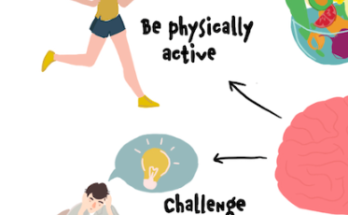
Movement is another friendly supporter of mental energy. The brain benefits from physical activity because movement encourages healthy blood flow and releases natural chemicals connected to mood and alertness. This does not require intense exercise. Walking, stretching, dancing to music, or spending time outdoors can all refresh the mind. The goal is not perfection but consistency. Small amounts of regular movement often feel more sustainable and comforting than rare, demanding workouts.
Rest is equally important, even though it is sometimes overlooked. Short pauses during the day allow the brain to reset and organize information. Looking away from screens, closing the eyes briefly, or taking a few slow breaths can reduce mental clutter. These breaks are not signs of laziness. They are simple tools that help the mind stay clear and focused for longer periods. When rest becomes part of the routine, productivity often improves naturally.
Quality sleep at night forms the foundation for daytime energy. The brain performs many quiet maintenance tasks during sleep, including memory support and emotional balance. Creating a relaxing bedtime routine can help signal that it is time to wind down. Dimming lights, limiting stimulating media, and choosing calm activities such as reading or listening to soft music can make falling asleep easier. Consistent sleep and wake times strengthen this rhythm, helping mornings feel less heavy.
Emotional wellbeing also connects closely with mental energy. Carrying constant worry or tension can quietly drain focus. Gentle practices such as journaling, talking with someone trusted, or spending time in nature can help release built-up stress. Kind self-talk matters too. Speaking to oneself with patience rather than criticism creates a safer mental environment where motivation can grow. Energy often returns when the mind feels supported instead of pressured.
Social connection provides another meaningful source of daily brightness. Friendly conversations, shared laughter, or simply being around supportive people can lift mental fatigue. Human connection reminds the brain that it is not alone, which can ease stress and encourage positive thinking. Even small moments of connection, like a short message or a quick greeting, can add warmth to the day.
Focusing on one task at a time is a quiet but powerful habit for preserving energy. Constant multitasking may feel productive, yet it often scatters attention and increases mental tiredness. Giving full attention to a single activity allows the brain to work more smoothly and complete tasks with less strain. Simple techniques such as writing a short to do list or setting gentle priorities can help guide attention without creating pressure.
The environment around us also shapes how energetic the mind feels. Natural light, fresh air, and a tidy space can make thinking feel lighter and more organized. Personal touches such as calming colors, meaningful photos, or a comfortable chair can create a sense of ease. These surroundings quietly communicate safety and comfort to the brain, allowing energy to flow more freely.
Moments of curiosity and learning can refresh mental energy as well. Reading something interesting, trying a creative hobby, or exploring a new idea stimulates the brain in positive ways. Learning does not have to be formal or difficult to be valuable. Enjoyable discovery often brings a gentle sense of excitement that helps the mind feel awake and engaged.
Gratitude is another small but meaningful practice. Taking time to notice simple good moments, such as a pleasant conversation or a warm drink, can shift attention toward positivity. This does not ignore challenges, but it balances them with awareness of comfort and support. Over time, this gentle perspective can make daily life feel lighter and more hopeful.
It is also helpful to accept that energy naturally rises and falls. No one feels perfectly focused all the time. Respecting these natural rhythms allows people to work with their energy instead of fighting against it. Choosing demanding tasks during higher energy periods and calmer activities during slower moments creates a more sustainable flow through the day.
Technology can be both helpful and tiring, depending on how it is used. Setting small boundaries, such as quiet times without notifications or screen free moments before sleep, can protect mental space. Using technology with intention rather than constant habit helps the brain rest and recharge.
Above all, kindness toward oneself remains the most important foundation for daily mental energy. Progress does not come from strict rules or pressure to be perfect. It grows from patient, friendly choices repeated over time. Each small supportive habit sends a message of care to the brain, encouraging steadiness, clarity, and gentle motivation.
Daily energy is not a mystery reserved for a few lucky people. It is something that can be nurtured step by step through balanced routines, restful sleep, supportive relationships, and calm self understanding. When the brain feels safe, nourished, and respected, it often responds with the quiet gift of steady energy that carries gently through everyday life.