Mental wellness does not have to be complicated, expensive, or overwhelming. Many people believe that improving their mental well-being requires major lifestyle changes, but in reality, small and gentle actions can make a meaningful difference. Mental
wellness is about creating balance, supporting emotional clarity, and building habits that help you feel more steady and positive over time. By focusing on simple practices you can try today, it becomes easier to care for your mind in a way that feels natural
and sustainable.
One of the simplest ways to support mental wellness is by slowing down your pace, even briefly. Modern life often encourages constant movement and multitasking, which can leave the mind feeling scattered. Taking a few intentional pauses throughout the day allows your thoughts to settle. This could be as simple as sitting quietly for a minute before starting a new task or taking a few calm breaths when transitioning between activities. These moments of stillness help reduce mental overload and encourage a clearer, more grounded mindset.
Paying attention to daily routines can also have a positive impact on mental wellness. Consistency creates a sense of stability that the mind finds comforting. Waking up around the same time each day, eating regular meals, and creating a gentle evening routine can help the brain feel more secure. When your days follow a loose rhythm, your mind spends less energy on uncertainty and more on focus and creativity. Even small routines, like making your bed or enjoying a warm drink in the morning, can signal calm and order to your thoughts.
Spending time outdoors is another easy and effective way to support mental well-being. Natural surroundings offer a break from screens, noise, and mental clutter. A short walk outside, sitting near a window, or noticing the sky and trees can help refresh your mind. Natural light and fresh air are known to support alertness and mood, making outdoor moments especially helpful during busy or stressful days. You do not need long periods of time outside for benefits to appear; even a few minutes can help you feel more centered.
Mental wellness is closely connected to how we talk to ourselves. Inner dialogue shapes emotional balance, often without us realizing it. Practicing kinder self-talk can help ease mental tension and encourage confidence. When challenges arise, try replacing harsh thoughts with more understanding ones. Acknowledging effort instead of focusing only on outcomes helps build resilience. Treating yourself with patience allows the mind to relax and feel supported rather than pressured.
Staying mentally well also involves giving your brain appropriate breaks. Constant stimulation from devices, notifications, and information can make it harder to focus and unwind. Setting small limits on screen use, especially before bedtime, can help the mind rest more easily. Taking breaks from digital input allows your thoughts to slow down and reduces mental fatigue. Replacing some screen time with quiet activities like reading, stretching, or listening to soft music can promote calm and mental clarity.
Another easy mental wellness tip is staying mentally engaged in enjoyable ways. The brain benefits from gentle challenges that spark curiosity and interest. This might include learning something new, doing a creative activity, or exploring a hobby you enjoy. These activities encourage positive focus and help shift attention away from stress. Engaging your mind in enjoyable tasks creates a sense of accomplishment and keeps mental energy flowing in a healthy direction.
Social connection also plays an important role in mental wellness. Meaningful conversations, even brief ones, help the mind feel understood and supported. Checking in with a friend, sharing a laugh, or expressing gratitude strengthens emotional balance. Positive social interactions remind us that we are not alone and can help lighten mental load. Quality matters more than quantity, and even small moments of connection can contribute to a more positive outlook.
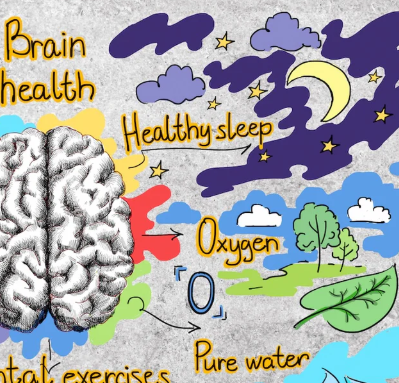
Getting enough rest is another key part of mental wellness that is often overlooked. Sleep allows the brain to reset, organize thoughts, and restore energy. Creating a calming bedtime routine can make it easier for the mind to wind down. Dimming lights, avoiding stimulating content, and keeping a consistent sleep schedule help signal to the brain that it is time to rest. Well-rested minds are generally better able to manage emotions, focus, and daily challenges.
Nutrition and hydration also influence mental well-being. Regular meals and sufficient water intake help maintain steady energy levels throughout the day. When the body feels supported, the mind often follows. Paying attention to hunger cues and staying hydrated can reduce irritability and mental fog. Simple choices, like keeping water nearby or eating balanced meals, can quietly support emotional stability and mental clarity.
Practicing gratitude is another gentle way to improve mental wellness. Noticing small positives in daily life helps shift focus away from stress and toward appreciation. This does not mean ignoring challenges, but rather balancing them with moments of thankfulness. Reflecting on things that bring comfort, joy, or progress can help the mind develop a more optimistic perspective over time. Gratitude supports emotional balance and encourages a sense of contentment.
Mental wellness is not about being positive all the time or avoiding difficult feelings. It is about building habits that help you navigate emotions with care and understanding. Allowing yourself to feel, reflect, and rest when needed is part of a healthy mental approach. Being flexible and compassionate with yourself makes it easier to adapt to life’s changes and maintain emotional balance.
The most effective mental wellness tips are often the simplest ones. Small actions, practiced consistently, can add up to meaningful improvements over time. By slowing down, staying connected, caring for your body, and nurturing positive thought patterns, you create a supportive environment for your mind. These easy steps can be started today, without pressure or perfection.
Mental wellness is a personal journey, and what works best may vary from one person to another. The key is to choose habits that feel manageable and supportive rather than overwhelming. When mental care becomes part of everyday life, it feels less like a task and more like a natural form of self-respect. With patience and gentle effort, mental wellness can grow steadily, helping you feel more balanced, focused, and at ease each day.