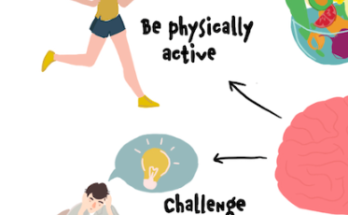
Brain health is something many people begin thinking about only after they notice forgetfulness, stress, or mental fatigue. In reality, caring for the brain can start at any age and does not require complicated routines or expensive tools. Simple daily choices
often make the biggest difference. For beginners, the most helpful approach is to focus on steady, gentle habits that support clarity, memory, and emotional balance over time.
The brain works continuously, even during sleep, guiding thoughts, movement, emotions, and learning. Because it is always active, it benefits from consistent care rather than occasional bursts of effort. Just like the rest of the body, the brain responds well
to nourishment, rest, movement, and meaningful engagement. When these elements come together in a balanced way, many people notice improved focus, calmer moods, and better ability to handle everyday challenges.
One of the easiest starting points for brain health is paying attention to sleep. Quality sleep allows the brain to organize memories, clear waste products, and reset for the next day. Beginners do not need perfect sleep schedules right away. Small steps such as going to bed at a similar time each night, reducing bright screen exposure before bedtime, and creating a calm sleeping environment can gradually improve rest. Even modest improvements in sleep often lead to clearer thinking and steadier energy during the day.
Nutrition also plays an important role in supporting the brain. Foods rich in natural nutrients help provide the energy and building blocks the brain needs to function well. Many people find success by simply adding more colorful fruits and vegetables, whole grains, nuts, seeds, and sources of healthy fats to their meals. Drinking enough water throughout the day is equally important, since mild dehydration can affect concentration and mood. Rather than following strict diets, beginners usually benefit more from balanced, enjoyable eating patterns that can be maintained long term.
Physical movement is another powerful yet approachable tool for brain wellness. Regular movement supports blood flow to the brain, which helps deliver oxygen and nutrients needed for mental performance. Gentle activities such as walking, stretching, dancing, or light exercise can be enough to create positive effects. The goal is not intensity but consistency. Moving the body most days of the week, even for short periods, can gradually strengthen both physical and mental resilience.
Mental stimulation keeps the brain engaged and adaptable. Learning something new encourages connections between brain cells, which supports memory and flexible thinking. Beginners might explore reading, puzzles, creative hobbies, music, language learning, or practical skills. The specific activity matters less than the sense of curiosity and enjoyment it brings. When learning feels interesting rather than forced, the brain responds with stronger motivation and longer lasting benefits.
Emotional wellbeing is closely connected to brain health. Ongoing stress can make concentration more difficult and may affect sleep and mood. Gentle stress management practices can help restore balance. Simple breathing exercises, quiet reflection, spending time in nature, or talking with supportive people often create noticeable calm. Beginners do not need long or complicated routines. Even a few peaceful minutes during the day can signal safety to the nervous system and help the mind feel more settled.
Social connection is another meaningful influence on mental clarity and emotional strength. Positive interactions with others stimulate thinking, encourage communication skills, and provide emotional comfort. These connections do not have to be large gatherings. Friendly conversations, shared activities, or regular check-ins with trusted people can all support brain wellness. Feeling connected often brings motivation, purpose, and a sense of belonging that benefits overall mental health.
Consistency matters more than perfection when beginning a brain health journey. Many people feel overwhelmed when trying to change too many habits at once. A kinder approach is to choose one or two small actions and practice them regularly. Over time, these small steps naturally expand into broader routines. Progress that feels manageable is more likely to last, and lasting habits are what truly support long-term brain wellbeing.
It is also helpful for beginners to stay patient with themselves. The brain adapts gradually, and meaningful change often appears slowly rather than instantly. Celebrating small improvements, such as slightly better focus or calmer reactions, encourages continued effort. Self-kindness reduces pressure and creates a healthier environment for growth. When people treat themselves with understanding, the brain often responds with greater resilience and confidence.
Reducing information overload can further support mental clarity. Modern life brings constant notifications, multitasking, and fast-moving content that can leave the mind feeling scattered. Setting aside short periods without digital distractions allows the brain to rest and reset. Quiet moments for thinking, journaling, or simply observing surroundings can restore attention and creativity. These pauses act like gentle breathing space for the mind.
Routine health checkups and professional guidance can also be part of responsible brain care. Healthcare professionals can offer personalized advice based on individual needs, history, and lifestyle. Seeking guidance is not a sign of weakness but a proactive step toward long-term wellbeing. Beginners who stay informed and attentive to their health often feel more confident in caring for both mind and body.
Brain health is not about achieving a perfect standard. It is about building a supportive daily rhythm that encourages clarity, calm, and curiosity. Small choices made consistently can shape how the brain feels and functions over many years. Starting with sleep, balanced nourishment, gentle movement, learning, emotional care, and social connection provides a strong and welcoming foundation.
For anyone just beginning this journey, the most important message is that improvement is possible and progress can feel natural. Brain wellness grows through steady attention, patience, and kindness toward oneself. By embracing simple habits and allowing them to develop over time, beginners can create a lasting path toward clearer thinking, emotional balance, and a healthier relationship with everyday life.