Caring for the mind does not always require dramatic lifestyle changes or complicated routines. In many cases, the most meaningful improvements come from small, steady habits that blend gently into daily life. When healthy choices feel natural rather
than forced, they are easier to maintain, and the benefits often grow over time. Supporting brain function in a calm and balanced way can help people of all ages stay focused, clear, and emotionally steady as they move through everyday responsibilities.
One of the simplest ways to encourage mental clarity is by protecting consistent sleep. The brain uses sleep as a time to sort memories, restore energy, and prepare for the next day’s thinking. When bedtime and waking time remain fairly regular, the body’s
internal rhythm becomes more stable, which often leads to clearer thinking and better mood during the day. Creating a peaceful evening routine, dimming bright lights, and reducing screen exposure before bed can quietly signal to the brain that it is time to rest. These small signals may seem minor, yet they can gently shape long-term mental wellness.
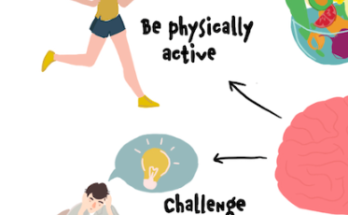
Daily movement is another natural support for cognitive health. Exercise does not need to be intense to be helpful. A relaxed walk, light stretching, or playful activity can encourage healthy blood flow that carries oxygen and nutrients to brain tissue. Movement also supports emotional balance by releasing helpful chemicals linked to positive mood and calm attention. When physical activity is enjoyable rather than pressured, it becomes something people look forward to instead of avoid. This sense of ease makes the habit more sustainable and more rewarding over time.
Food choices also influence how clearly the mind can function. Balanced meals that include colorful vegetables, fruits, whole grains, healthy fats, and sources of protein provide steady fuel for thinking and concentration. Drinking enough water throughout the day helps the brain stay alert, since even mild dehydration may lead to fatigue or difficulty focusing. Rather than following strict or complicated eating rules, many people benefit from simply choosing fresh, varied foods and eating at a comfortable pace. This gentle approach supports both physical nourishment and emotional comfort around meals.
Mental stimulation keeps the brain engaged and curious. Reading, learning a new skill, practicing a language, solving puzzles, or exploring creative hobbies all encourage flexible thinking. The key is enjoyment rather than pressure. When curiosity leads the way, the brain forms new connections more easily, and learning feels energizing instead of tiring. Even short periods of focused interest can refresh attention and bring a sense of accomplishment that carries into other parts of the day.
Moments of quiet reflection also play an important role in brain wellbeing. In a fast-moving world, the mind rarely receives space to pause. Simple breathing exercises, mindful observation of surroundings, or gentle meditation can calm racing thoughts and support emotional clarity. These practices do not require special equipment or long sessions. A few peaceful minutes in the morning or evening can gradually train the brain to respond to stress with steadiness rather than overwhelm. Over time, this calm awareness may improve concentration, patience, and resilience.
Social connection offers another natural boost for mental strength. Conversations, shared laughter, and supportive relationships stimulate areas of the brain linked to memory, language, and emotional understanding. Feeling connected to others can also reduce stress and encourage a sense of belonging, which is closely tied to overall wellbeing. Quality matters more than quantity. Even brief, meaningful interactions can lift mood and sharpen thinking in subtle but valuable ways.
Managing daily stress in gentle ways helps protect long-term cognitive health. Short breaks during work or study allow the brain to reset and return with clearer attention. Spending time in nature, listening to calming music, or engaging in creative expression can soften tension that might otherwise build throughout the day. These peaceful activities remind the nervous system that safety and relaxation are possible, which supports clearer decision-making and steadier emotions.
Limiting information overload is another helpful habit in modern life. Constant notifications, multitasking, and endless streams of content can tire the brain and reduce focus. Setting aside specific times to check messages or news allows the mind to remain present in the current task. Quiet spaces without digital distraction give thinking room to deepen. Protecting attention in this way often leads to better productivity as well as a greater sense of calm.
Gratitude and positive reflection gently influence how the brain interprets daily experiences. Taking a moment to notice something meaningful, kind, or comforting can shift attention away from constant worry. This does not mean ignoring challenges, but rather balancing them with awareness of supportive moments. Over time, this simple mental habit can encourage emotional stability and a more hopeful outlook, both of which support cognitive clarity.
Consistency matters more than perfection when building brain-friendly routines. Small actions repeated regularly shape lasting change, while extreme efforts that feel stressful are often difficult to maintain. Choosing habits that fit naturally into personal lifestyle, culture, and schedule makes long-term success far more likely. Gentle progress, even if slow, still moves in a positive direction.
It is also helpful to remember that mental wellbeing connects closely with physical health. Regular medical checkups, balanced daily structure, and attention to emotional needs all contribute to how clearly the brain can function. When the body feels supported and safe, the mind is better able to focus, learn, and adapt. Caring for overall wellness therefore becomes a quiet investment in long-term cognitive strength.
Brain boosting habits do not need to feel complicated or overwhelming. They often begin with simple choices such as resting well, moving comfortably, eating nourishing foods, staying curious, and connecting with others. These everyday actions, practiced with patience and kindness toward oneself, can gradually build a strong foundation for clear thinking and emotional balance.
Over time, natural habits become part of personal rhythm rather than tasks on a checklist. When healthy routines feel gentle and meaningful, they are more likely to last through changing seasons of life. This steady approach allows the brain to remain supported not just for a moment, but for many years to come.