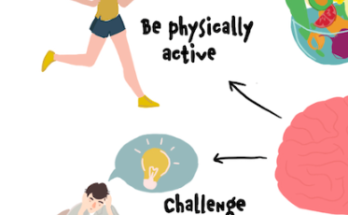
Supporting brain health does not have to feel complicated or overwhelming. In fact, the most effective habits are often the simplest ones, practiced gently and consistently over time. When people think about caring for the brain, they sometimes imagine
strict routines, difficult exercises, or major lifestyle changes. A calmer and more sustainable approach focuses on small daily choices that nurture clarity, memory, mood, and overall wellbeing without adding pressure.
The brain is closely connected to the body, which means caring for physical health naturally supports mental function as well. Regular movement is one of the most reliable ways to encourage healthy circulation and balanced energy. This does not require
intense workouts or long hours of training. Light stretching in the morning, relaxed walking in the evening, or enjoyable activities like dancing or cycling can all contribute to steady brain support. Gentle movement also helps release tension, making it easier to think clearly and stay emotionally balanced throughout the day.
Rest plays an equally important role. Quality sleep allows the mind to reset, organize information, and restore energy for the next day. Instead of striving for perfect sleep habits, it is often more helpful to build a calming evening rhythm. Dimming lights, stepping away from bright screens, and choosing quiet activities such as reading or listening to soft music can signal to the body that it is time to unwind. Over time, these small signals help create a natural pattern of rest that benefits concentration, memory, and mood.
Nutrition can be approached in the same gentle spirit. Supporting the brain does not mean following strict or stressful eating rules. A balanced variety of familiar foods is usually enough to provide the nutrients the mind and body need. Meals that include fruits, vegetables, whole grains, and sources of protein can help maintain steady energy levels. Drinking enough water throughout the day also supports focus and reduces feelings of fatigue. Rather than aiming for perfection, simply adding a few nourishing choices into regular meals can make a meaningful difference.
Mental calm is another key part of brain wellbeing. Modern life often brings constant information, noise, and responsibilities, which can leave the mind feeling crowded. Creating small pockets of quiet during the day gives the brain space to breathe. Slow, steady breathing for a few moments, noticing the surrounding environment, or pausing between tasks can gently refresh attention. These simple pauses are not about stopping productivity but about allowing the mind to reset so that thinking becomes clearer and more comfortable.
Staying mentally active is helpful too, yet it does not need to feel like hard work. Enjoyable learning experiences naturally stimulate the brain. Reading interesting stories, exploring creative hobbies, solving simple puzzles, or trying new recipes can all encourage flexible thinking. Social interaction is another powerful source of mental engagement. Friendly conversations, shared laughter, and meaningful connections support emotional balance while also keeping the mind alert. Choosing activities that feel pleasant rather than demanding helps maintain consistency without stress.
Emotional wellbeing and brain health are deeply connected. Kindness toward oneself is often overlooked, yet it plays a major role in reducing mental strain. Everyone experiences moments of forgetfulness, distraction, or tiredness. Responding with patience instead of criticism allows the brain to relax and recover more easily. Gentle self-talk, realistic expectations, and appreciation for small progress can transform daily experiences into supportive ones rather than stressful ones.
The environment around us also shapes how the mind feels. Spaces that are comfortable, softly lit, and reasonably organized can promote calm thinking. This does not require perfect tidiness. Even small touches such as opening a window for fresh air, placing a favorite object nearby, or keeping a simple routine can create a sense of ease. When surroundings feel safe and welcoming, the brain spends less energy on stress and more on focus and creativity.
Limiting unnecessary pressure is one of the most meaningful ways to protect brain health. Many people believe they must constantly do more, learn faster, or stay productive at all times. In reality, the brain thrives on balance. Periods of activity followed by periods of rest allow thoughts to settle and new ideas to form. Taking short breaks, enjoying hobbies without goals, and allowing time for relaxation are not signs of laziness. They are natural parts of healthy mental function.
Gratitude and positive reflection can gently influence how the brain processes daily life. Noticing a pleasant moment, a helpful person, or a small success encourages the mind to focus on supportive experiences rather than constant worry. Writing a few simple thoughts at the end of the day or quietly remembering something meaningful can shift attention toward calm and stability. Over time, this practice can help create a more hopeful and resilient mindset.
It is also important to recognize that everyone’s path to brain wellbeing is unique. Age, lifestyle, culture, and personal preferences all shape what feels comfortable and sustainable. Instead of comparing routines with others, it is more helpful to listen to one’s own energy levels and needs. Gentle curiosity about what improves focus, mood, or rest can guide small adjustments that feel natural rather than forced.
Supporting the brain without stress is ultimately about kindness, balance, and consistency. Small daily actions such as moving the body, resting well, eating nourishing foods, pausing for calm, staying socially connected, and allowing time for joy can quietly build strong mental foundations. None of these steps need to be perfect, and none must happen all at once. Progress grows through patience and repetition, not pressure.
When brain care is approached with warmth and simplicity, it becomes part of everyday living rather than another task to complete. This relaxed perspective allows wellbeing to develop steadily, supporting clarity, emotional balance, and resilience over time. By choosing gentle habits and treating oneself with understanding, anyone can encourage lasting brain health in a way that feels peaceful, realistic, and sustainable.