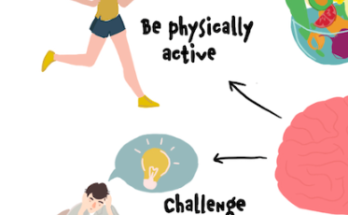
Mental wellness is often spoken about in big, complex ways, yet the truth is that it usually grows through small and steady actions. Each day offers quiet opportunities to care for the mind, strengthen emotional balance, and create a sense of calm that
supports every part of life. When these gentle steps are repeated over time, they can shape a stronger and more peaceful inner world.
One of the simplest ways to support mental wellness is by beginning the day with intention. This does not require a long routine or perfect planning. Even a few slow breaths, a moment of gratitude, or a calm stretch beside the bed can signal to the mind
that the day is starting with care. These small pauses help reduce feelings of rush and allow thoughts to settle before responsibilities begin.
Healthy mental habits are closely connected to physical well-being. Regular sleep, balanced meals, and light movement all contribute to clearer thinking and steadier emotions. Sleep in particular acts like a reset button for the brain, giving it time to organize memories and restore energy. Gentle movement such as walking, stretching, or relaxed exercise encourages the release of natural chemicals that support a brighter mood. These actions may seem ordinary, yet their effect on mental strength is meaningful.
Another quiet but powerful step is learning to notice thoughts without judging them. Everyone experiences worries, distractions, and moments of doubt. Instead of pushing these feelings away, calmly recognizing them can reduce their intensity. This practice, often called mindfulness, invites awareness of the present moment. Paying attention to breathing, sounds, or simple daily tasks can help the mind step out of constant worry about the past or future. Over time, this awareness builds emotional resilience.
Connection with others also plays an important role in mental wellness. Friendly conversations, shared laughter, or simply spending time near supportive people can bring comfort and reassurance. Human beings naturally benefit from feeling seen and understood. Even brief social moments, such as greeting a neighbor or sending a kind message, can brighten the emotional landscape of the day. Strong relationships are not built on grand gestures alone but on consistent kindness and presence.
Creating gentle boundaries is another step that protects mental balance. Daily life often includes many demands, from school or work responsibilities to digital messages that arrive without pause. Allowing time for rest and personal space is not selfish; it is necessary for long-term well-being. Turning off notifications for a short period, stepping outside for fresh air, or choosing a quiet activity can give the mind room to recover. These pauses help prevent exhaustion and support clearer thinking.
Simple creative activities can also nourish mental wellness. Drawing, writing, music, cooking, or caring for plants offer ways to express feelings that may be difficult to describe in words. Creativity invites curiosity and playfulness, reminding the mind that life includes beauty as well as responsibility. The goal is not perfection but enjoyment. When creativity becomes part of everyday life, it provides a reliable path back to calm and focus.
Gratitude is another gentle practice that strengthens emotional health. Taking a moment to notice something positive, no matter how small, can shift attention away from constant stress. This might be appreciation for warm sunlight, a helpful conversation, or a task completed with effort. Writing these moments in a notebook or quietly reflecting on them before sleep can gradually train the mind to recognize hope and possibility more easily.
It is also helpful to remember that difficult days are a normal part of being human. Mental wellness does not mean feeling happy all the time. Instead, it involves developing the ability to move through challenges with patience and support. Speaking with a trusted friend, family member, teacher, or counselor can provide guidance when emotions feel heavy. Reaching out is a sign of strength and self-respect, not weakness.
Limiting overwhelming information can further protect mental clarity. Constant news, social media comparisons, or negative online content may increase stress without offering real solutions. Choosing when and how to engage with digital spaces allows the mind to stay balanced. Replacing some screen time with reading, outdoor activity, or quiet reflection can create a healthier rhythm throughout the day.
Kind self-talk is another powerful yet often overlooked step. Many people speak to themselves more harshly than they would ever speak to a friend. Replacing criticism with encouraging words can gradually reshape confidence and motivation. Simple phrases such as “I am learning,” “I can try again,” or “This moment will pass” support emotional stability. Compassion toward oneself builds the foundation for lasting mental strength.
Routines also provide comfort for the mind. Predictable daily patterns reduce uncertainty and help the brain feel safe. This might include regular meal times, study periods, relaxation moments, and bedtime rituals. Routines do not need to be strict to be helpful. Flexible structure offers both stability and freedom, allowing life to feel organized without becoming stressful.
Nature offers quiet support for mental wellness as well. Time spent near trees, water, sunlight, or open sky can calm the nervous system and refresh attention. Even short moments outdoors can lower tension and improve mood. Observing natural details such as moving clouds or rustling leaves reminds the mind to slow down and breathe more deeply.
Celebrating small progress is essential on the path toward stronger mental wellness. Growth rarely happens all at once. Each positive choice, no matter how minor it seems, contributes to long-term well-being. Finishing a task, choosing rest when needed, or responding calmly in a stressful moment are all meaningful achievements. Recognizing these steps encourages continued care for the mind.
In the end, mental wellness is not a distant goal reserved for perfect days. It is a living process shaped by gentle daily actions. Through mindful awareness, supportive relationships, healthy routines, and self-compassion, anyone can move toward a steadier and more peaceful state of mind. Small steps, repeated with patience, have the power to create lasting strength.