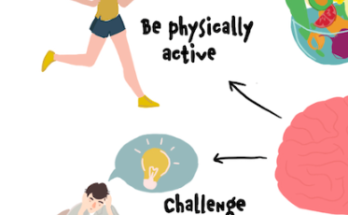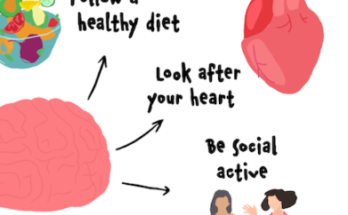
Caring for mental strength does not require dramatic life changes or complicated routines. In many cases, small and steady habits create the most meaningful results. Mental strength grows when daily choices support calm thinking, emotional balance, and
a sense of purpose. Anyone, at any stage of life, can begin building these supportive habits in simple and welcoming ways.
One of the most helpful starting points is gentle consistency. Waking up and going to sleep at similar times each day allows the mind to settle into a predictable rhythm. This rhythm helps concentration, mood stability, and overall clarity. Even when
schedules become busy, keeping a few familiar anchors in the day can provide comfort and direction. Something as simple as a quiet morning stretch, a warm drink, or a few slow breaths can signal the brain that the day is beginning with care.
Movement is another quiet but powerful supporter of mental strength. The body and mind are closely connected, and light physical activity encourages healthy circulation and natural energy. Walking outdoors, stretching near a window, or dancing to favorite music can gently lift mood and reduce tension. The goal is not perfection or intensity, but regular enjoyment. When movement feels pleasant rather than pressured, it becomes easier to continue over time.
Nutrition also plays a steady role in supporting clear thinking and emotional balance. Simple, balanced meals that include whole foods, fruits, vegetables, and enough water give the brain reliable fuel. Skipping meals or relying only on quick snacks can lead to energy dips that make focus more difficult. Choosing nourishing foods does not need to be strict or complicated. Small improvements, repeated often, gradually strengthen both body and mind.
Rest is equally important. Mental strength is not about constant productivity, but about knowing when to pause. Short breaks during study, work, or daily responsibilities allow the brain to recover and return with better attention. Quiet moments without screens, even for a few minutes, can calm racing thoughts. Over time, learning to respect the need for rest builds resilience rather than weakness.
Another gentle wellness idea involves caring for thoughts with kindness. Everyone experiences worries, mistakes, or uncertain moments. Speaking to oneself in a patient and understanding way can soften stress and support confidence. Instead of focusing only on what went wrong, it helps to notice effort, learning, and progress. This shift in perspective encourages growth while protecting emotional wellbeing.
Connection with others is a natural source of strength. Friendly conversations, shared laughter, or simply spending time near supportive people can ease mental pressure. Meaningful connection does not depend on large social events. A short message, a calm conversation, or a shared meal can remind someone that they are not alone. Feeling understood and valued strengthens emotional stability in quiet but lasting ways.
Time in nature often brings a similar sense of calm. Natural light, fresh air, and gentle outdoor sounds help the mind slow down. Even small moments, such as caring for a plant, sitting under a tree, or watching the sky change color, can refresh attention and mood. Nature encourages patience and reminds people that growth happens gradually.
Learning something new is another positive way to support mental strength. Reading, drawing, listening to educational audio, or practicing a creative hobby keeps the brain active and curious. Progress in learning does not need to be fast. Enjoyment and exploration matter more than speed. Each new skill or idea gently builds confidence and cognitive flexibility.
Simple organization can also reduce daily stress. Keeping a small list of tasks, arranging a clean study or work space, or preparing items the night before can make mornings smoother. Order in the physical environment often creates a feeling of order in the mind. These small actions prevent overwhelm and support clearer thinking throughout the day.
Gratitude is a quiet but meaningful habit. Taking a moment to notice something positive, no matter how small, can shift emotional focus toward hope and appreciation. This might include a kind word from a friend, a peaceful moment of silence, or the comfort of a familiar routine. Regular gratitude practice encourages the brain to recognize supportive experiences rather than only challenges.
Healthy boundaries are another important part of mental wellness. Protecting time for rest, limiting overwhelming information, and allowing space from stressful situations help maintain emotional balance. Saying no when necessary is not unkind. It is a form of self respect that preserves energy for what truly matters.
Creative expression offers a safe path for emotions. Writing thoughts in a journal, sketching shapes, playing music, or crafting something by hand allows feelings to move outward in gentle ways. Creativity does not need to be perfect or shared with others. Its value comes from honest expression and quiet release.
Patience is essential throughout this process. Mental strength develops slowly, much like physical strength. Some days will feel focused and calm, while others may feel scattered or tired. This variation is a normal part of being human. Continuing small supportive habits, even during imperfect days, creates lasting resilience.
It is also helpful to remember that seeking guidance is a positive and responsible step when challenges feel too heavy to manage alone. Trusted adults, counselors, teachers, or health professionals can offer understanding and practical support. Reaching out shows courage and a commitment to wellbeing.
Technology can be used in mindful ways as well. While digital tools provide learning and connection, regular breaks from screens protect sleep, attention, and mood. Choosing specific times to check messages or media helps prevent constant distraction. Balanced technology use supports clearer thinking and calmer emotions.
Celebrating small progress keeps motivation strong. Finishing a task, maintaining a routine, or simply getting through a difficult day deserves quiet recognition. These moments of acknowledgment remind the mind that effort matters and improvement is possible.
Mental strength is not about never feeling stress or sadness. Instead, it is the ability to respond with care, patience, and steady hope. Through gentle routines, supportive relationships, nourishing choices, and kind self talk, anyone can build a foundation of wellbeing that grows stronger over time.
Each day offers another opportunity to begin again in simple ways. A calm breath, a short walk, a healthy meal, or a kind conversation can all become part of a life that supports clarity and resilience. When these small actions are repeated with patience, they gradually shape a stronger and more peaceful mind.