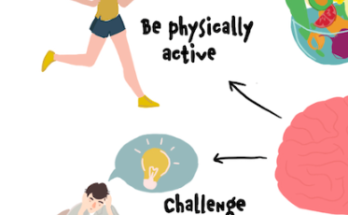
Living in a fast moving world can sometimes make the mind feel crowded, tired, or stretched in too many directions. Creating a calm approach to daily life is not only comforting but also supportive of healthy thinking, memory, and emotional balance. Brain
friendly living is less about strict rules and more about gentle choices that guide the day toward clarity and ease. With small, steady habits, anyone can build an environment where the mind feels safe to focus, learn, and rest.
One of the most helpful foundations for a calm mind is a steady rhythm to the day. Waking, eating, working, and sleeping at similar times allows the brain to predict what comes next. This sense of predictability reduces internal stress signals and helps
attention flow more smoothly. Even when schedules cannot be perfect, keeping a few anchor moments such as a quiet morning routine or a consistent bedtime can provide a reassuring structure that supports mental energy.
Sleep is especially important for brain friendly living. During restful sleep, the mind sorts memories, clears away natural waste products, and prepares for learning in the next day. Gentle evening habits such as dimming lights, lowering noise, and stepping away from bright screens can signal to the brain that it is time to slow down. A peaceful transition into sleep often leads to clearer thinking and steadier emotions in the morning.
Another calm strategy involves caring for the body in ways that naturally support the mind. Simple movement like walking, stretching, or light exercise encourages healthy blood flow to the brain. This process delivers oxygen and nutrients that help thinking stay sharp. Movement also releases natural chemicals linked with improved mood, making it easier to remain patient and focused throughout daily tasks. The goal is not intensity but consistency and comfort.
Food choices can also shape how the brain feels. Balanced meals with a mix of whole grains, fruits, vegetables, healthy fats, and protein provide steady energy rather than quick bursts followed by fatigue. Drinking enough water is equally valuable, as even mild dehydration may lead to difficulty concentrating. Eating slowly and mindfully can transform meals into moments of calm rather than rushed interruptions in the day.
Mental calm is strengthened by thoughtful attention to information intake. Constant noise from news, social media, and notifications can overwhelm the brain’s natural ability to filter and prioritize. Creating quiet spaces without digital interruption allows thoughts to settle. Setting aside short periods to check messages instead of responding instantly to every alert can protect focus and reduce unnecessary tension.
Moments of stillness are powerful tools for brain friendly living. Simple breathing awareness, gentle meditation, or quiet reflection gives the mind a chance to rest while awake. These pauses do not need to be long or complicated. Even a minute of slow breathing can lower the body’s stress response and bring attention back to the present moment. Over time, these small pauses train the brain to return to calm more easily.
Connection with other people also plays a meaningful role in mental wellbeing. Friendly conversations, shared laughter, and supportive relationships provide emotional safety that helps the brain relax. Feeling understood reduces internal strain and allows clearer thinking. Calm social time does not require large gatherings. A kind message, a short talk, or a shared activity can be enough to remind the mind that it is not alone.
Nature offers another gentle path toward calm thinking. Soft daylight, green spaces, fresh air, and natural sounds can soothe mental fatigue. Spending even a short time outdoors may help restore attention and lift mood. When outdoor time is limited, bringing elements of nature indoors such as plants, natural light, or calming images can still create a peaceful atmosphere that supports focus.
Organizing the physical environment can quietly influence how the brain feels. A tidy, simple space reduces visual distractions and helps the mind process information more easily. This does not mean everything must be perfect. Small steps such as clearing a desk surface or arranging commonly used items within reach can make daily tasks feel lighter and more manageable.
Creative expression is another calm and brain friendly habit. Drawing, writing, music, crafting, or any enjoyable hobby allows thoughts and emotions to move in a healthy direction. Creativity encourages flexible thinking and gentle concentration without pressure. The value lies in the experience itself rather than the final result, making it a safe place for the mind to explore and relax.
Kind self talk is an often overlooked strategy for mental calm. The brain responds not only to outside events but also to the tone of internal thoughts. Speaking to oneself with patience and understanding can lower stress and support resilience. Mistakes and challenges become opportunities for learning instead of sources of harsh judgment. This compassionate mindset creates a stable emotional background where focus and clarity can grow.
Taking breaks during long periods of effort is another supportive practice. Continuous work without rest can lead to mental fog and reduced productivity. Short pauses to stretch, breathe, or look away from a screen refresh attention and protect energy. Returning to a task after a brief rest often leads to clearer thinking and better results.
Gratitude gently guides the brain toward positive awareness. Noticing small good moments such as a pleasant taste, a warm conversation, or a peaceful view helps balance the mind’s natural focus on problems. Writing or quietly reflecting on a few things to appreciate each day can encourage emotional steadiness and hopeful thinking over time.
Learning something new in a relaxed way also supports brain health. Reading, puzzles, languages, or practical skills stimulate curiosity and strengthen mental connections. The key is to approach learning with enjoyment rather than pressure. When curiosity leads the process, the brain remains open and engaged.
Calm strategies for brain friendly living are not meant to be followed perfectly. Life naturally includes busy days and unexpected stress. What matters most is returning gently to supportive habits whenever possible. Each small choice toward rest, balance, connection, and kindness builds a stronger foundation for mental wellbeing.
Over time, these calm approaches shape not only how the brain functions but also how daily life feels. Clarity becomes easier to reach, focus lasts longer, and emotional balance grows steadier. Brain friendly living is ultimately an act of care toward oneself, expressed through simple, thoughtful moments repeated day after day.