Mental wellness is a gentle, ongoing journey rather than a single destination. Just as the body benefits from regular care, the mind thrives when it receives steady attention, kindness, and balance. Lifelong mental wellness does not require dramatic changes
or complicated routines. Instead, it grows from simple, thoughtful habits practiced consistently over time. By making small choices each day that support clarity, calm, and emotional strength, people of all ages can nurture a steady sense of wellbeing that
lasts through changing seasons of life.
One of the most meaningful foundations of mental wellness is creating a daily rhythm that feels supportive rather than overwhelming. Predictable routines help the brain feel safe and organized, which makes it easier to focus and manage emotions. Waking up and going to sleep at similar times each day, allowing space for meals, movement, work, and rest, and leaving moments for quiet reflection can gently guide the mind toward balance. These rhythms do not need to be strict. Flexibility and self-compassion are just as important as structure, allowing routines to adjust naturally as life changes.
Restful sleep plays a powerful role in emotional stability, memory, and concentration. When sleep is consistent and refreshing, the mind is better prepared to handle stress and solve problems calmly. Simple evening habits such as dimming lights, reducing screen time, and choosing relaxing activities like reading or gentle stretching can signal to the brain that it is time to unwind. Over time, these small signals can improve sleep quality and contribute to clearer thinking during the day.
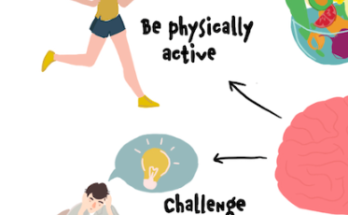
Movement is another quiet supporter of lifelong mental wellness. Physical activity encourages healthy circulation, releases natural mood-supporting chemicals, and provides a helpful break from mental strain. This movement does not need to be intense or competitive. Walking, dancing, gardening, or light stretching can all refresh the mind while caring for the body. The key is consistency and enjoyment. When movement feels pleasant rather than forced, it becomes a natural and lasting part of everyday life.
Nutrition also influences how the mind feels and functions. Balanced meals that include a variety of whole foods can help maintain steady energy and concentration. Drinking enough water throughout the day supports clarity and reduces fatigue. Rather than focusing on strict rules, a gentle approach that encourages mindful eating and appreciation for nourishing foods often leads to healthier long-term habits. Enjoying meals slowly and paying attention to hunger and fullness cues can strengthen the connection between body and mind.
Emotional awareness is an essential skill for lifelong wellness. Feelings naturally rise and fall, and learning to notice them without harsh judgment can reduce inner tension. Taking a few quiet moments to pause, breathe slowly, and observe thoughts can create space between emotion and reaction. This pause allows more thoughtful responses and encourages patience with oneself and others. Over time, this practice builds resilience and emotional flexibility, helping people move through challenges with greater calm.
Connection with others adds warmth and meaning to mental wellbeing. Supportive relationships remind people that they are not alone in their experiences. Simple acts such as listening with care, sharing honest conversations, or spending relaxed time together can strengthen emotional security. Quality matters more than quantity. Even a few trusted connections can provide comfort, encouragement, and perspective during both joyful and difficult moments.
Moments of quiet reflection can gently restore mental energy. Activities like journaling, prayer, meditation, or simply sitting in silence allow the mind to settle. These pauses are especially valuable in busy environments where constant information and noise can feel overwhelming. By stepping back regularly, people create room for clarity, creativity, and thoughtful decision-making. Reflection also encourages gratitude, which has been linked to greater life satisfaction and emotional balance.
Learning throughout life keeps the mind curious and engaged. Exploring new skills, hobbies, or ideas stimulates thinking and can bring a sense of accomplishment. This learning does not need to be formal. Reading, trying creative activities, or discovering unfamiliar topics can all support mental vitality. Curiosity invites growth and helps prevent the feeling of being stuck, reminding the mind that change and discovery are always possible.
Healthy boundaries protect emotional energy and prevent burnout. Saying yes to every request can lead to exhaustion, while thoughtful limits create space for rest and personal priorities. Setting boundaries with kindness and respect allows relationships to remain supportive rather than stressful. Over time, this practice strengthens self-respect and encourages more balanced interactions with others.
Spending time in natural surroundings can also refresh mental clarity. Sunlight, fresh air, and green spaces often bring a sense of calm that is difficult to find indoors. Even brief moments outside, such as noticing trees, clouds, or gentle breezes, can shift attention away from worries and toward the present moment. Nature quietly reminds the mind to slow down and breathe.
Kind self-talk is another important part of lifelong mental wellness. Many people are quick to criticize themselves yet generous toward others. Replacing harsh inner language with supportive and realistic thoughts can improve confidence and reduce stress. Encouraging phrases, patience during mistakes, and recognition of personal effort all help create a healthier inner environment where growth feels safe.
Seeking guidance when needed is a sign of wisdom and care, not weakness. Trusted friends, family members, educators, or qualified professionals can offer understanding and helpful perspective. Reaching out early often prevents small concerns from becoming overwhelming. Mental wellness is strongest when support systems are welcomed and valued.
Lifelong mental wellness is built from gentle, consistent choices rather than perfection. Some days will feel easier than others, and that is a natural part of being human. What matters most is returning, again and again, to small habits that support balance, connection, rest, and hope. With patience and compassion, these everyday actions form a steady foundation for a clear mind and a peaceful heart across every stage of life.