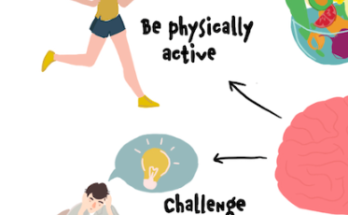
Caring for the brain does not have to involve complicated routines or strict rules. In many ways, the most meaningful support comes from small, steady choices made throughout everyday life. When healthy habits are practiced with patience and kindness,
they can create a calm foundation that helps the mind stay clear, balanced, and ready to learn. Gentle brain support is less about perfection and more about consistency, comfort, and awareness of what helps a person feel well.
One of the simplest ways to care for the brain is through regular rest. Sleep gives the mind time to organize memories, restore energy, and prepare for the next day. A peaceful bedtime routine can make this process easier. Dimming lights, putting away
screens, and choosing quiet activities such as reading or soft music may signal to the body that it is time to relax. Over time, consistent sleep patterns can support attention, mood stability, and clear thinking during waking hours.
Nutrition also plays an important role in supporting mental clarity. The brain relies on a steady supply of nutrients to function smoothly, and balanced meals help provide that support. Foods that include whole grains, fruits, vegetables, healthy fats, and sources of protein can contribute to steady energy throughout the day. Drinking enough water is equally important, since even mild dehydration may affect concentration and alertness. Gentle eating habits that focus on variety and moderation often feel more sustainable than strict or limiting approaches.
Movement is another natural way to encourage healthy brain function. Physical activity increases blood flow, which helps deliver oxygen and nutrients to brain cells. This does not require intense workouts. Simple activities such as walking, stretching, dancing, or light play can all provide benefits when done regularly. Movement can also help release tension, support emotional balance, and improve sleep quality, creating a positive cycle that supports the mind from multiple directions.
Calm moments during the day allow the brain to rest from constant stimulation. Quiet breathing, mindful observation, or simply sitting without distraction for a few minutes can help settle busy thoughts. These gentle pauses are especially helpful in a fast-moving world filled with notifications and noise. Practicing calm awareness may improve focus over time and help a person respond thoughtfully rather than react quickly when challenges appear.
Healthy social connection is another meaningful source of brain support. Conversations, shared laughter, and kind relationships stimulate thinking and emotional understanding. Feeling heard and valued can reduce stress and encourage confidence. Even small interactions, such as greeting a neighbor or sending a friendly message, can brighten mood and remind the brain that it is part of a supportive community. Positive connection does not depend on having many friends, but rather on having genuine and respectful relationships.
Learning new things keeps the brain active and flexible. This could involve reading about an interesting topic, practicing a creative hobby, exploring music, or trying a new skill. Curiosity encourages the brain to form fresh connections, which supports memory and adaptability. Gentle learning should feel enjoyable rather than pressured. When curiosity leads the way, growth often follows naturally.
Managing stress in a kind and realistic way is also essential for mental wellbeing. Some stress is a normal part of life, yet ongoing tension can make thinking feel cloudy or overwhelming. Supportive habits such as slow breathing, journaling, talking with someone trustworthy, or spending time in nature may help reduce pressure. Allowing space for rest and self-compassion can remind the mind that it is safe to slow down. Progress becomes easier when expectations are balanced with patience.
The environment around a person can influence how clearly the brain functions. Soft lighting, fresh air, and an organized space may promote calm attention. Gentle background sounds or quiet silence can also help some people concentrate. Small adjustments to daily surroundings often create noticeable improvements in comfort and clarity. A peaceful setting supports the brain’s natural ability to focus and process information.
Digital balance is another helpful consideration. Technology offers learning, creativity, and connection, yet constant screen time may leave the mind feeling tired. Taking regular breaks from devices allows the eyes and brain to rest. Replacing some screen moments with outdoor time, conversation, or creative play can refresh mental energy. Balanced use of technology supports both productivity and wellbeing.
Kind self-talk has a powerful effect on the brain. Words spoken internally shape confidence, motivation, and emotional resilience. Gentle encouragement, patience with mistakes, and recognition of small successes can strengthen a positive mindset. Over time, supportive thinking patterns may help reduce worry and build steady self-trust. Treating oneself with the same kindness offered to a friend often leads to healthier emotional balance.
Routine can provide a sense of safety for the mind. Predictable daily rhythms, including regular meals, sleep times, and moments of rest, help the brain know what to expect. This stability may reduce feelings of chaos and support clearer thinking. At the same time, flexibility remains important. Healthy living allows room for change, celebration, and unexpected experiences without losing balance.
Spending time in nature offers gentle nourishment for mental clarity. Natural light, greenery, and open space may help calm the nervous system and refresh attention. Even short moments outdoors, such as sitting near a window or walking among trees, can bring a sense of peace. Nature often reminds the mind to slow down and breathe more deeply.
Creative expression is another supportive pathway for the brain. Drawing, writing, music, crafting, or imaginative play allow thoughts and emotions to move freely. Creativity does not require special talent. The simple act of making something can feel calming and meaningful. These moments of expression help the brain process experiences in a healthy and balanced way.
Gentle brain support also includes knowing when to seek guidance. Teachers, family members, counselors, or healthcare professionals can provide reassurance and helpful ideas when thinking or emotions feel difficult to manage alone. Reaching out for support is a sign of awareness and care, not weakness. Shared understanding often leads to practical solutions and renewed confidence.
Healthy living is not a single decision but a collection of small daily choices. Each restful night, balanced meal, kind conversation, and calm breath contributes to the brain’s overall wellbeing. Progress may feel slow at times, yet steady habits quietly build strength beneath the surface. With patience and compassion, gentle support becomes a natural part of everyday life.
When the brain is cared for through rest, nourishment, movement, calm, connection, and curiosity, it can function with greater clarity and resilience. These supportive practices do not demand perfection. They simply invite a kinder rhythm of living that honors both body and mind. Over time, gentle healthy choices create a lasting foundation for focus, learning, emotional balance, and a peaceful sense of wellbeing.