Modern life moves quickly. Messages arrive at all hours, schedules fill up fast, and attention is often pulled in many directions at once. In the middle of this constant activity, caring for the mind can feel like something to do later, when there is more time or
fewer responsibilities. Yet simple, steady mind care is one of the most helpful ways to stay balanced, focused, and emotionally well in everyday life. Small choices made each day can gently support clarity, calm thinking, and a positive outlook without
requiring dramatic lifestyle changes.
Mind care begins with awareness. Taking a few quiet moments to notice thoughts, feelings, and energy levels helps create space between reacting and responding. This awareness does not need to be formal or complicated. It can happen while sitting by a window, walking outside, or pausing between tasks. By simply noticing what is happening inside, people often discover what they truly need, whether that is rest, movement, conversation, or time alone. Awareness turns daily life into a place where gentle care becomes possible.
Rest is another foundation of a healthy mind. Sleep allows the brain to organize memories, restore energy, and prepare for a new day. In modern routines, sleep is sometimes shortened by late-night screen use or busy schedules. Creating a calm evening rhythm can make a meaningful difference. Dimming lights, reducing noise, and stepping away from digital devices before bed can signal to the body that it is time to relax. Even small improvements in sleep habits often lead to clearer thinking and steadier moods during the day.
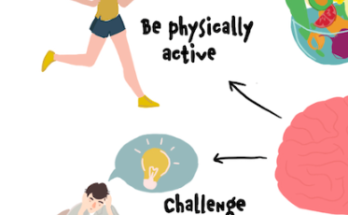
Movement also plays an important role in mental wellbeing. The body and mind are closely connected, and physical activity helps release tension while supporting focus. This movement does not need to be intense or time-consuming. Gentle stretching, walking in fresh air, or light exercise at home can refresh attention and improve emotional balance. When movement becomes a regular and enjoyable part of the day, it naturally supports both physical comfort and mental clarity.
Food and hydration quietly influence how the mind feels and functions. Regular meals with a variety of nourishing ingredients provide steady energy for thinking and concentration. Drinking enough water helps prevent fatigue and supports overall balance. Rather than focusing on strict rules, a kind and flexible approach to eating often works best. Listening to hunger cues, enjoying meals slowly, and choosing foods that feel satisfying can create a peaceful relationship with nourishment that benefits the mind as well as the body.
Modern life also includes constant streams of information. News, social media, and online content can inform and connect people, yet too much input may lead to stress or distraction. Setting gentle boundaries around media use can protect mental space. Choosing specific times to check updates, following positive or educational content, and allowing periods of quiet without screens can help the mind rest. These simple limits are not about avoiding the world but about creating balance within it.
Connection with others is another essential part of mind care. Friendly conversations, shared laughter, and supportive relationships remind people that they are not alone in their experiences. Even brief moments of connection, such as a kind message or a short phone call, can lift the mood and provide comfort. At the same time, healthy connection includes respecting personal boundaries and allowing time for solitude. A balance between togetherness and quiet independence helps the mind feel secure and understood.
Moments of calm reflection can gently strengthen emotional resilience. Practices such as slow breathing, mindful observation, or quiet gratitude encourage the mind to settle. These moments do not require special training or long periods of silence. A few steady breaths before beginning a task or a short pause to appreciate something simple can shift the tone of an entire day. Over time, these small pauses teach the mind how to return to calm even during busy or uncertain situations.
Creativity offers another pathway to mental refreshment. Drawing, writing, music, cooking, or crafting allow thoughts and feelings to move in natural ways. Creative activities are not about perfection or performance. They are opportunities to explore, play, and express without pressure. When creativity becomes part of regular life, it provides a gentle release for stress and a quiet source of joy.
Kind self-talk is equally important. Many people speak to themselves more harshly than they would ever speak to a friend. Replacing criticism with patience and encouragement can slowly transform inner experience. This does not mean ignoring challenges or pretending everything is easy. Instead, it means responding to difficulty with understanding and a willingness to keep learning. A compassionate inner voice helps the mind feel safe enough to grow.
Nature can also support mental balance in simple ways. Sunlight, fresh air, trees, and open skies offer a sense of calm that is difficult to find indoors. Even short moments outside, such as standing near plants or looking at the horizon, can reduce tension and restore focus. Bringing small elements of nature into daily routines creates gentle reminders to slow down and breathe.
Consistency matters more than intensity in mind care. Grand plans often fade, but small habits practiced regularly create lasting change. Choosing one or two simple actions and repeating them each day can gradually strengthen clarity, patience, and emotional steadiness. Progress may feel slow, yet steady care builds a strong foundation over time.
It is also important to remember that everyone’s mind is unique. What feels calming or helpful for one person may feel different for another. Exploring different approaches with curiosity allows each individual to discover what truly supports their wellbeing. Flexibility keeps mind care realistic and sustainable within changing seasons of life.
Simple mind care is not about perfection. It is about gentle attention, steady kindness, and small daily choices that support balance. In a fast and demanding world, these quiet practices create space for clarity, warmth, and resilience. By caring for the mind in simple ways, modern life becomes not only manageable but also meaningful, filled with moments of calm awareness and genuine connection.