Caring for the mind is one of the most meaningful gifts a person can offer themselves at any age. Brain vitality is not only about memory or concentration. It also includes emotional balance, curiosity, creativity, and the ability to stay engaged with daily life.
The encouraging truth is that supporting the brain does not require complicated routines or expensive tools. Gentle, consistent habits practiced over time can help the mind feel clearer, calmer, and more energized.
One of the simplest ways to nurture brain vitality is through quality sleep. During rest, the brain processes information, organizes memories, and restores energy for the next day. A steady sleep schedule, a quiet sleeping space, and a relaxing wind-down
routine can make a noticeable difference in mental clarity. Even small adjustments, such as limiting bright screens before bedtime or choosing calming music or reading, may help the mind settle more easily.
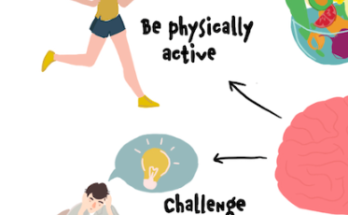
Movement is another powerful and natural support for the brain. Physical activity increases blood flow, which delivers oxygen and nutrients that the brain needs to function well. Gentle activities such as walking, stretching, dancing, or light exercise can lift mood and sharpen attention. The goal is not perfection or intensity but regular motion that feels enjoyable and sustainable. When movement becomes a pleasant daily rhythm, the mind often responds with improved alertness and a brighter outlook.
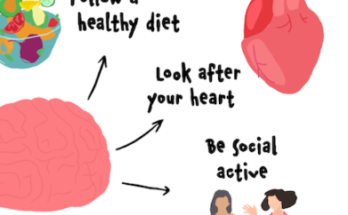
Nutrition also plays a quiet yet meaningful role in brain health. Balanced meals that include fruits, vegetables, whole grains, healthy fats, and protein provide steady energy for thinking and focus. Hydration is equally important, since even mild dehydration can affect concentration and mood. Choosing simple, nourishing foods most of the time can support both physical wellness and mental clarity without the need for strict or complicated rules.
Mental stimulation keeps the brain active and adaptable. Reading, puzzles, creative hobbies, learning a new skill, or exploring unfamiliar topics can encourage new neural connections. These activities do not need to be difficult to be helpful. Even small moments of curiosity, such as trying a new recipe or listening to a podcast about an interesting subject, can gently challenge the mind in positive ways. Variety is especially helpful because different types of thinking engage different parts of the brain.
Social connection is another essential ingredient for brain vitality. Meaningful conversations, shared laughter, and supportive relationships help reduce feelings of isolation and encourage emotional balance. Spending time with friends, family members, classmates, or community groups can stimulate thinking while also nurturing a sense of belonging. Even brief, friendly interactions can brighten the day and remind the mind that it is part of a larger, caring world.
Managing stress in healthy ways is equally important. Occasional stress is a natural part of life, but ongoing tension can make it harder to focus or feel calm. Gentle relaxation practices such as slow breathing, quiet reflection, journaling, or spending time in nature can help the nervous system settle. These peaceful pauses give the brain a chance to reset and regain clarity. Over time, small moments of calm can build resilience and emotional strength.
Mindfulness is another helpful approach to supporting the brain. Paying attention to the present moment without harsh judgment can improve awareness and reduce mental overload. This might involve noticing the rhythm of breathing, the feeling of footsteps during a walk, or the simple details of everyday surroundings. Practicing mindfulness does not require long sessions. Even a few quiet minutes can help the mind feel more centered and attentive.
Creativity brings its own special benefits to brain vitality. Drawing, writing, music, crafting, or imaginative play encourage flexible thinking and emotional expression. Creative activities allow the brain to explore ideas freely, which can refresh motivation and spark joy. The focus is not on producing perfect results but on enjoying the process of creating something meaningful or fun.
Spending time outdoors can also refresh the mind. Natural light helps regulate daily rhythms, while green spaces often promote relaxation and positive mood. A short walk in a park, sitting near trees, or simply noticing the sky can provide a gentle mental reset. Nature offers a calm environment where the brain can rest from constant noise and stimulation.
Consistency is often more valuable than intensity. Small, positive habits practiced regularly tend to support lasting brain wellness. Drinking enough water each day, moving the body a little, sleeping well, and staying curious may seem simple, yet together they create a strong foundation for mental vitality. Progress does not need to be fast to be meaningful. Steady care over time can lead to noticeable improvements in clarity, mood, and energy.
It is also helpful to approach brain health with kindness and patience. Everyone has moments of forgetfulness or distraction, especially during busy or stressful times. Responding with understanding rather than self-criticism can protect emotional wellbeing and encourage continued growth. A gentle mindset supports learning and resilience far more effectively than pressure or perfectionism.
Technology can be used thoughtfully to support the mind as well. Educational videos, language learning apps, memory games, and guided relaxation recordings may provide useful stimulation or calm. At the same time, balancing screen time with offline activities helps prevent mental fatigue. Choosing when to connect and when to unplug allows the brain to maintain a healthy rhythm.
Lifelong learning keeps the mind vibrant. Exploring new ideas, cultures, skills, or perspectives encourages adaptability and confidence. Curiosity does not depend on age. Each stage of life offers opportunities to discover something new, whether through books, conversations, classes, or personal experiences. This ongoing sense of discovery helps the brain remain active and engaged.
Encouraging brain vitality is ultimately about caring for the whole person. Physical health, emotional balance, meaningful relationships, and purposeful activity all work together to support mental wellbeing. When daily life includes moments of movement, rest, learning, creativity, and connection, the brain is given the environment it needs to thrive.
Simple choices made with care can gradually shape a brighter, clearer, and more energized mind. By embracing gentle habits and maintaining a spirit of curiosity, anyone can take positive steps toward lasting brain vitality.