In today’s fast-paced world, it often feels like there aren’t enough hours in the day to take care of our minds. Between work, school, family responsibilities, and personal errands, making time for brain health can seem like a luxury. However, caring for your
brain does not always require large blocks of time or complicated routines. Even small, consistent actions can make a significant difference in how your mind functions, how well you focus, and how resilient you feel to stress. This guide offers simple and
practical strategies that anyone can incorporate into their busy day to support a healthy, active brain.
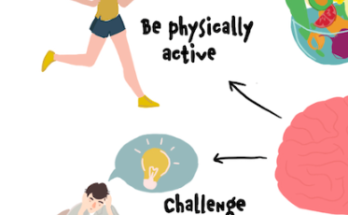
One of the most effective ways to keep your brain sharp is through movement. Physical activity stimulates blood flow and encourages the growth of new brain cells. You don’t need an hour-long workout to see benefits. Short bouts of exercise, like taking a brisk five-minute walk, stretching while waiting for your coffee, or performing a few simple exercises during a break, can all support cognitive health. Even standing up and walking around for a couple of minutes every hour can improve circulation to the brain, keeping it alert and engaged.
Nutrition also plays a vital role in maintaining brain health. Busy schedules often lead to grabbing quick, convenient meals, but small mindful choices can make a difference. Foods rich in antioxidants, healthy fats, and essential vitamins provide fuel for your brain. Berries, nuts, seeds, leafy greens, and fatty fish are excellent options that support memory, focus, and overall brain function. If preparing full meals is difficult, consider keeping ready-to-eat healthy snacks on hand. A handful of almonds, a cup of yogurt with fruit, or sliced vegetables can provide your brain with a much-needed boost during hectic moments.
Hydration is another frequently overlooked factor. The brain is highly sensitive to dehydration, which can affect concentration, memory, and mood. Carrying a water bottle or setting reminders to drink water can prevent small lapses in cognitive performance. Even mild dehydration can cause fatigue and mental fog, so staying hydrated is a simple step that has immediate benefits.
Sleep is essential for brain health, though it is often the first thing sacrificed during busy periods. Quality sleep allows the brain to consolidate memories, repair cells, and remove toxins accumulated throughout the day. If you can’t manage long stretches of sleep due to a busy schedule, focus on creating a consistent sleep routine whenever possible. Short power naps, when practical, can also refresh your mind and improve alertness. Even minor improvements in sleep habits can translate to better focus, clearer thinking, and greater emotional stability.
Mental stimulation is equally important. Engaging your brain in activities that challenge it helps maintain cognitive function. This doesn’t mean you have to commit to hours of intense study. Quick mental exercises like crossword puzzles, memory games, or even learning a new word each day can provide your brain with valuable stimulation. Reading, listening to podcasts, or exploring topics you find interesting can also keep your mind active and curious. The key is to make mental engagement a regular, enjoyable part of your day rather than an additional task.
Stress management is critical for preserving cognitive function, as chronic stress can negatively impact memory and decision-making. Finding small ways to manage stress during busy days can protect your brain health over time. Techniques such as deep breathing, mindful pauses, or short moments of meditation can be highly effective. Even taking a few minutes to step outside and enjoy fresh air can help your brain reset and maintain focus. Recognizing the signs of stress and addressing them early prevents mental fatigue from accumulating, which can keep you sharper and more resilient.
Social interaction also benefits the brain. Connecting with friends, family, or colleagues supports emotional well-being and cognitive function. Even brief conversations, a quick check-in over text, or joining a group activity can provide mental stimulation and emotional support. Positive social interactions encourage the release of hormones that promote brain health and reduce stress, helping you feel more energized and balanced throughout the day.
Technology can either hinder or help your brain health depending on how you use it. While screens and constant notifications can overwhelm your attention, using technology thoughtfully can support cognitive performance. Consider using apps that track hydration, prompt short exercises, or offer guided meditation. Scheduling focused time away from screens also helps your brain rest and recover, preventing burnout and maintaining mental clarity. Balancing screen time with real-world engagement is a small adjustment that can have a lasting impact.
Another simple yet effective tip is to structure your day in a way that aligns with natural energy patterns. Many people have peak focus periods in the morning and lower energy in the late afternoon. By scheduling demanding tasks during high-energy periods and saving routine or less challenging activities for lower-energy times, you can optimize brain performance without overexerting yourself. Even small shifts in planning can make busy days feel more manageable and productive.
Finally, cultivating a mindset that values small wins can encourage long-term brain health. You don’t need to overhaul your life overnight. Instead, focus on incorporating one or two manageable strategies each day, gradually building habits that support mental clarity, focus, and resilience. A five-minute walk after lunch, a healthy snack mid-morning, or a brief stretch before bed can accumulate into meaningful benefits over time. By celebrating small achievements, you reinforce positive routines that strengthen your brain and improve your overall sense of well-being.
In conclusion, caring for your brain does not have to be complicated or time-consuming. By focusing on movement, nutrition, hydration, sleep, mental stimulation, stress management, social interaction, technology balance, and thoughtful scheduling, you can support your cognitive health even on the busiest days. Small, consistent actions often have the greatest impact. Treat your brain with kindness, make mindful choices, and remember that every little effort counts. Over time, these simple strategies can lead to a more focused, alert, and resilient mind, helping you navigate life’s demands with confidence and clarity.