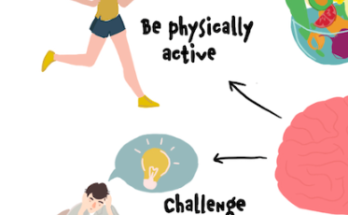
Taking care of your brain doesn’t have to be complicated or overwhelming. In fact, some of the most effective ways to support your mental health and cognitive function are calm, simple, and easy to weave into everyday life. By adopting small, mindful
habits, you can nurture your brain over time, creating a foundation for long-term wellness and mental clarity.
One of the most powerful yet simple strategies for brain care is making sure your sleep is consistent and restorative. Sleep is essential for memory, focus, and emotional regulation. A calm bedtime routine, such as dimming lights, limiting screen time, and
engaging in gentle stretches or meditation, can signal your brain that it is time to rest. Even slight improvements in sleep quality can boost mood, attention, and learning capacity, allowing your brain to function at its best during waking hours.
Nutrition also plays a critical role in brain health. Consuming a balanced diet rich in fruits, vegetables, whole grains, and healthy fats provides the nutrients your brain needs to stay sharp. Foods high in omega-3 fatty acids, like salmon, walnuts, and flaxseeds, support cognitive function and protect against age-related decline. Equally important is staying hydrated. Water helps maintain optimal brain function and can prevent fatigue, irritability, and difficulty concentrating. Simple adjustments, such as adding a glass of water with each meal or keeping a reusable water bottle nearby, can have a meaningful impact.
Movement is another essential element of simple brain care. Regular physical activity promotes blood flow to the brain, supports the growth of new neurons, and helps reduce stress. You do not need to engage in intense workouts to benefit your brain. Calm activities such as walking, gentle yoga, or stretching routines are effective ways to keep your mind alert while supporting overall well-being. The key is consistency and finding forms of movement that feel enjoyable rather than stressful.
In addition to sleep, nutrition, and movement, the power of mindfulness cannot be underestimated. Taking time to slow down and focus on the present moment reduces stress and encourages mental clarity. Practices such as mindful breathing, guided meditation, or simply sitting quietly with your thoughts can help calm the mind. Even a few minutes of daily mindfulness can improve attention, emotional balance, and cognitive flexibility. Over time, these practices can cultivate a resilient and focused mind.
Mental stimulation is another simple yet effective strategy for supporting your brain. Engaging in activities that challenge your thinking encourages neural growth and strengthens cognitive skills. This can include reading, solving puzzles, learning a new language, or exploring creative outlets such as drawing or writing. The goal is not to push yourself to exhaustion but to provide gentle, regular challenges that keep your mind active and curious. Mental stimulation paired with rest and relaxation supports a well-rounded approach to brain health.
Social connection is also closely linked to cognitive well-being. Interacting with others, sharing experiences, and maintaining meaningful relationships offer emotional support and stimulate brain activity. Regular social engagement, even through simple conversations or shared activities, contributes to mental resilience and overall happiness. If in-person connection is challenging, virtual communication or participating in community groups can still provide meaningful social interaction.
Managing stress is crucial for calm brain care. Chronic stress can negatively affect memory, focus, and emotional regulation. Simple stress-management strategies include setting realistic expectations, practicing gratitude, and taking regular breaks throughout the day. Finding moments of calm, such as enjoying a cup of tea, spending time in nature, or listening to soothing music, can help balance the nervous system. Over time, these practices can reduce stress levels and protect the brain from the harmful effects of prolonged tension.
Another gentle but effective approach to brain care is limiting multitasking. Trying to do too many things at once can overwhelm the brain and reduce efficiency. By focusing on one task at a time and creating small, manageable goals, you give your brain space to perform optimally. Calm, focused attention not only enhances productivity but also supports mental clarity and reduces cognitive fatigue.
Incorporating moments of joy and play into daily life also benefits the brain. Laughter, hobbies, and lighthearted activities release endorphins, which improve mood and cognitive function. Taking time for simple pleasures, whether it is listening to music, engaging in a favorite hobby, or spending time outdoors, nourishes the brain in ways that are both calming and energizing. Prioritizing joy does not need to be elaborate; even small moments of delight contribute to mental well-being.
Finally, it is important to approach brain care with patience and self-compassion. Sustainable mental health strategies are those that feel manageable and supportive, not burdensome or stressful. By integrating calm and simple practices consistently over time, you allow your brain to benefit gradually, creating habits that can last a lifetime. Treating your brain with kindness, listening to your needs, and making small adjustments when necessary fosters a sense of calm and balance that supports cognitive resilience.
In summary, caring for your brain does not require complex routines or extreme measures. Focusing on restful sleep, nourishing nutrition, gentle movement, mindful practices, social connections, stress management, focused attention, joyful activities, and self-compassion forms a strong foundation for mental wellness. By approaching brain health with simplicity and calm, you create a nurturing environment for your mind to thrive. Each small choice—whether drinking an extra glass of water, taking a mindful breath, or enjoying a walk outside—adds up over time, making a meaningful difference in how you feel, think, and experience life. The key is consistency and intention, creating habits that support your brain naturally and sustainably. By embracing calm and simple strategies, you empower yourself to enjoy a clearer, more focused, and resilient mind every day.