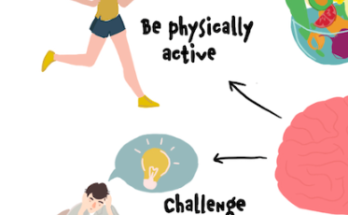
Our brains are remarkable organs, constantly at work even when we are resting. They allow us to think, feel, remember, and navigate the world, yet many people overlook the small daily actions that can significantly impact brain health. The good news is
that keeping your brain sharp doesn’t always require extreme measures or expensive supplements. Simple, intentional habits woven into everyday life can promote mental clarity, improve memory, and boost overall cognitive function.
One of the most important ways to support your brain is through movement. Physical activity increases blood flow to the brain, delivering oxygen and nutrients that help cells function optimally. It doesn’t mean you need to run marathons or lift heavy
weights; even regular walks, stretching, or gentle yoga can make a difference. Studies suggest that consistent physical activity can reduce the risk of cognitive decline as we age, while also supporting mood and stress management. Moving your body regularly creates a foundation for a resilient and healthy mind.
Nutrition also plays a key role in brain health. The brain uses a significant portion of the body’s energy, and it thrives on nutrient-rich foods. Diets that include plenty of vegetables, fruits, whole grains, and healthy fats provide essential vitamins and antioxidants that help protect brain cells from damage. Omega-3 fatty acids, found in foods like salmon, walnuts, and flaxseeds, are particularly beneficial for memory and cognitive function. Hydration is equally important; even mild dehydration can affect focus, mood, and memory. Making mindful food and drink choices daily creates a steady supply of the fuel your brain needs to operate at its best.
Sleep is another cornerstone of cognitive well-being. During sleep, the brain consolidates memories, clears toxins, and resets neural pathways. Inadequate or irregular sleep can interfere with learning, decision-making, and emotional regulation. Developing a consistent bedtime routine, limiting screen time before bed, and creating a restful environment can improve both the quality and duration of sleep. Prioritizing rest is not a luxury but a necessary act of care for your brain.
Mental stimulation is equally critical. The brain, like any other part of the body, benefits from exercise. Engaging in activities that challenge thinking, problem-solving, and creativity strengthens neural connections and encourages the growth of new ones. Reading, puzzles, learning a new language, or trying a musical instrument are all examples of ways to stimulate the mind. Even changing small routines, such as taking a new route to school or work or experimenting with new hobbies, can provide opportunities for your brain to adapt and grow.
Social interaction is often underestimated when it comes to cognitive health. Meaningful connections with friends, family, and community can support emotional well-being and protect against memory decline. Conversations, shared experiences, and supportive relationships create mental stimulation while reducing feelings of isolation and stress. Simple gestures, such as calling a friend, engaging in group activities, or participating in discussions, can make a lasting difference in how the brain functions over time.
Stress management is another everyday factor that significantly impacts the brain. Chronic stress can interfere with memory, focus, and emotional regulation, while also contributing to long-term health problems. Finding practical ways to manage stress, such as deep breathing exercises, mindfulness meditation, or spending time in nature, can help maintain mental clarity. Even brief moments of relaxation during a busy day can support cognitive function and overall brain health.
In addition to these habits, keeping a positive and curious mindset nurtures the brain’s resilience. Approaching challenges with curiosity and a willingness to learn encourages neuroplasticity, which is the brain’s ability to adapt and form new connections. Embracing change, experimenting with new ideas, and celebrating small achievements helps maintain motivation and mental agility. A mindset that values growth and learning is a powerful tool for lifelong cognitive health.
Incorporating small changes consistently often yields the most sustainable results. For example, taking the stairs instead of the elevator, drinking water regularly, or reading a few pages of a book each day may seem minor, but over time, these habits compound to produce significant benefits. Consistency is more important than intensity; the daily actions that you repeat create patterns that shape brain function and overall mental well-being.
It is also helpful to monitor your environment and reduce factors that can negatively affect cognition. Limiting exposure to excessive screen time, balancing work and leisure, and creating spaces that support focus and relaxation all contribute to better brain performance. Even small adjustments, such as organizing your workspace or taking brief breaks during prolonged mental tasks, can enhance productivity and mental clarity.
Importantly, supporting your brain through daily habits is not only about preventing decline but also about enhancing quality of life. A healthy brain allows you to enjoy learning, creativity, social engagement, and emotional richness. By paying attention to movement, nutrition, sleep, mental stimulation, social connection, stress management, and a growth-focused mindset, you create a strong foundation for mental resilience.
Everyday actions, while seemingly simple, are powerful tools for maintaining and improving brain health. These actions are accessible, low-cost, and can be tailored to fit individual lifestyles. The cumulative effect of making intentional, mindful choices daily supports long-term cognitive function, emotional well-being, and overall quality of life.
In conclusion, your brain thrives on consistent care and thoughtful choices. Regular physical activity, nutrient-rich food, restorative sleep, mental challenges, social connection, stress management, and a positive mindset all contribute to optimal brain function. Embracing small, sustainable habits allows you to take charge of your cognitive health, strengthen resilience, and enjoy the mental clarity that comes with everyday care. The brain, much like any other part of the body, responds to attention and effort, and the simple actions you take today can have lasting benefits for years to come. By nurturing your brain through daily life, you empower yourself to think more clearly, feel more balanced, and engage with the world in a richer, more meaningful way.