Our minds are incredible instruments, constantly processing information, solving problems, and creating new ideas. Yet, like any complex system, the brain thrives best when we support it with thoughtful habits and intentional choices. A sharper mind isn’t
about sudden breakthroughs or extreme routines; it grows steadily when we make consistent, healthful decisions that nurture both our mental clarity and overall well-being. By understanding the connection between our daily actions and brain health, we
can make choices that strengthen cognition, enhance focus, and encourage a sense of mental balance.
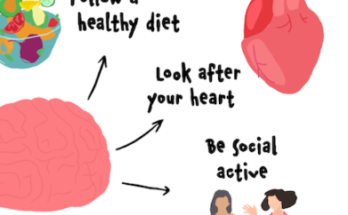
One of the simplest ways to support a sharper mind is through nutrition. The brain relies on a constant supply of energy, and the quality of that energy can influence mood, memory, and focus. Diets rich in fruits, vegetables, whole grains, and lean proteins supply essential nutrients such as antioxidants, omega-3 fatty acids, and B vitamins. These nutrients help protect brain cells from damage, support communication between neurons, and maintain healthy blood flow. Small adjustments, like incorporating more leafy greens or swapping refined grains for whole grains, may seem minor but can make a meaningful difference over time. Mindful eating, which involves paying attention to hunger cues and savoring meals, also reduces stress and enhances overall cognitive function.
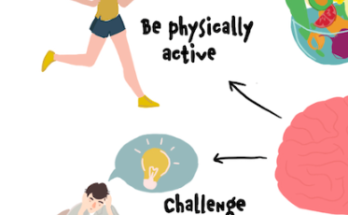
Equally important is staying physically active. Regular exercise benefits the brain in ways that go beyond weight management or cardiovascular health. Movement encourages the production of neurotrophic factors, proteins that help neurons grow and form stronger connections. Activities that elevate the heart rate, even gently, improve oxygen and nutrient delivery to the brain, supporting clearer thinking and better memory. Exercise does not have to be intense to be beneficial. Simple routines such as walking, stretching, dancing, or swimming consistently stimulate the mind while reducing anxiety and promoting a sense of calm. By combining enjoyable activities with physical activity, the process feels less like a chore and more like an enriching part of daily life.
Sleep is another cornerstone of mental sharpness. While it may seem like a passive activity, sleep is actually a period of intense cognitive maintenance. During sleep, the brain consolidates memories, clears toxins, and restores energy. Chronic sleep deprivation can impair attention, slow reaction times, and make learning more difficult. Developing a consistent sleep schedule, creating a calm bedtime environment, and limiting exposure to screens before bed can significantly improve the quality of rest. Even short adjustments, like adding a few minutes of wind-down time each night, support better mental function and help maintain emotional balance.
Stress management is closely linked to cognitive performance as well. While occasional stress can be motivating, persistent stress releases hormones that may interfere with memory and concentration. Mindful practices, including meditation, deep breathing, or journaling, can create mental space and reduce the impact of stress on the brain. Even brief moments of reflection or quiet awareness throughout the day can lower tension and improve the ability to think clearly. Engaging in hobbies, social connections, and creative outlets also provides mental relief, allowing the brain to recharge in meaningful ways.
Continuous learning and mental stimulation are essential for keeping the mind sharp. Challenging the brain through new experiences, skills, or knowledge encourages the formation of neural pathways, a process often referred to as neuroplasticity. Reading, solving puzzles, learning a new language, or exploring unfamiliar subjects exercises the mind and can even improve problem-solving abilities. The key is to seek activities that are both engaging and slightly challenging, avoiding tasks that feel repetitive or overly simple. By embracing curiosity and approaching learning as a lifelong habit, mental agility becomes a natural outcome of thoughtful choices.
Social engagement also plays a crucial role in mental acuity. Meaningful interactions with friends, family, or community groups stimulate the brain, encourage empathy, and provide emotional support. Conversation and collaboration require attention, memory, and reasoning, all of which keep neural networks active. Even casual social activities, like sharing ideas, playing games, or discussing books, offer opportunities for cognitive growth. Prioritizing relationships and spending time with others not only benefits mental sharpness but also fosters emotional resilience.
Another thoughtful choice for a sharper mind involves moderating habits that may harm cognitive function. Excessive screen time, overconsumption of processed foods, smoking, or chronic alcohol use can negatively impact memory, attention, and overall brain health. Being aware of these influences allows for small, gradual adjustments rather than abrupt, unsustainable changes. Choosing moderation, substituting healthier options, and cultivating awareness of the body’s and mind’s responses create a more balanced approach to daily life.
Mindful technology use can also enhance mental clarity. Digital devices offer convenience and information, but constant notifications and multitasking can fragment attention and reduce focus. Setting intentional boundaries, such as designated device-free times, prioritizing tasks, and practicing focused work, helps maintain cognitive efficiency. The brain performs best when it can concentrate deeply and rest appropriately, so integrating technology thoughtfully ensures it serves as a tool rather than a distraction.
Lastly, fostering a positive mindset supports brain health. Optimism, gratitude, and self-compassion influence neural circuits involved in learning, memory, and decision-making. Positive thinking is not about ignoring challenges but about approaching them with a constructive perspective. Engaging in reflective practices, celebrating progress, and maintaining realistic expectations can enhance cognitive flexibility and mental endurance. A mind trained to notice growth and opportunity is more adaptable and resilient over time.
In summary, a sharper mind emerges from a combination of intentional daily practices that nourish, challenge, and protect cognitive function. Thoughtful choices, whether related to diet, movement, sleep, stress management, social engagement, or mental stimulation, accumulate into lasting benefits for both brain and life. Mental sharpness is not the result of shortcuts or extremes but the outcome of consistent, mindful habits that respect the brain’s needs. By approaching each day with awareness and intention, we create an environment where our minds can flourish, stay resilient, and approach challenges with clarity. Embracing these practices fosters not only improved cognitive performance but also a sense of well-being, making life richer, more focused, and full of potential.