Many people wish for a slimmer waist, but quick fixes and extreme routines rarely lead to lasting change. A sustainable approach focuses on gradual improvements that fit comfortably into daily life. By developing healthy habits around food, movement, sleep, and stress management, you can support your body in a natural way while maintaining balance and well-being. The goal is not to chase perfection, but to create routines you can follow for months and years without feeling overwhelmed.
A good place to start is by understanding that waistline changes are influenced by overall lifestyle patterns rather than one single action. When you build consistency into everyday choices, the results tend to follow. Instead of restricting yourself with harsh diets or punishing workouts, think of this process as creating a supportive environment for your body to function at its best.
Mindful eating is one of the most effective foundations for improving your waistline. This means paying attention to what and how you eat, rather than eating quickly or while distracted. Sitting down for meals, chewing slowly, and noticing flavors can help you recognize fullness cues earlier. When you eat mindfully, you are less likely to overeat and more likely to choose foods that leave you feeling satisfied.
Choosing balanced meals also makes a meaningful difference. Meals that include vegetables, whole grains, lean proteins, and healthy fats tend to keep you energized longer and reduce the urge for frequent snacking. Fiber-rich foods such as fruits, vegetables, beans, and whole grains support digestion and help you feel comfortably full. Protein sources like beans, fish, eggs, or yogurt contribute to steady energy throughout the day.
Hydration is often overlooked when thinking about waistline health. Drinking enough water supports digestion, helps regulate appetite, and contributes to overall well-being. Sometimes, feelings of hunger can actually be mild dehydration. Keeping a water bottle nearby and sipping regularly is a simple habit that supports many aspects of health.
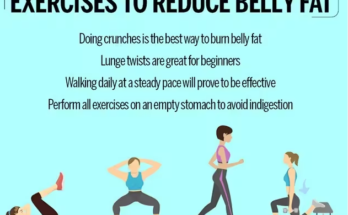
Movement is another essential element of sustainable change. You do not need intense gym sessions to make progress. Regular, enjoyable activities such as walking, cycling, dancing, or swimming can gently increase calorie use and strengthen muscles. Consistency matters more than intensity. Even short periods of daily activity add up over time and contribute to improved fitness and posture.
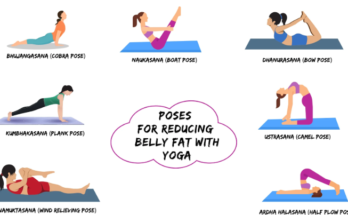
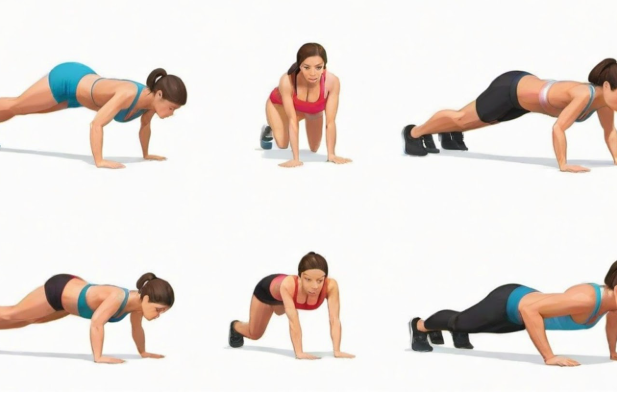
Strength training is particularly helpful for waistline goals. Building muscle supports metabolism and helps the body use energy more efficiently. Simple exercises using body weight, resistance bands, or light weights can be done at home without special equipment. Exercises that engage the core, such as planks or gentle yoga poses, can help tone muscles around the midsection while improving balance and stability.
Posture also plays a role in how your waistline looks and feels. Slouching can make the midsection appear more prominent, while standing and sitting upright engages core muscles naturally. Paying attention to posture during daily activities, such as working at a desk or using a phone, can have a subtle but noticeable effect over time.
Sleep is often underestimated when discussing waistline changes. Lack of sleep can affect appetite-regulating hormones, making it easier to crave high-calorie foods. Prioritizing a regular sleep schedule and creating a calming bedtime routine supports both physical and mental health. Aim for a consistent sleep pattern that allows you to wake up feeling refreshed.
Stress management is equally important. Ongoing stress can influence eating habits and energy levels. Finding healthy ways to relax, such as reading, listening to music, spending time outdoors, or practicing breathing exercises, can reduce tension and support healthier choices. When stress is managed effectively, it becomes easier to maintain positive routines.
Another sustainable strategy is planning meals and snacks ahead of time. When you prepare food in advance, you are less likely to rely on convenient but less nourishing options. Keeping wholesome ingredients available at home encourages balanced eating. Simple meal preparation for a few days at a time can save effort and help you stay on track without feeling restricted.
Reducing added sugars and highly processed foods can also support waistline improvement. These foods often provide quick energy but do not keep you full for long. Replacing sugary drinks with water or herbal teas and choosing whole foods over packaged snacks can make a significant difference over time without feeling like a strict rule.
Eating regular meals rather than skipping them is another helpful habit. Skipping meals can lead to excessive hunger later, which may result in overeating. A steady eating pattern helps maintain energy levels and prevents strong cravings.
It is also helpful to set realistic expectations. Waistline changes do not happen overnight, and small fluctuations are normal. Tracking progress through how your clothes fit, how you feel, and your energy levels can be more encouraging than focusing only on measurements.
Social support can make a difference as well. Sharing your goals with friends or family members can create encouragement and accountability. Even joining a walking group or cooking healthy meals together can make the process more enjoyable and sustainable.
Listening to your body is an important part of this journey. If a certain habit feels exhausting or unrealistic, adjust it rather than giving up. Sustainable change comes from flexibility and patience. Allow yourself occasional treats without guilt, and focus on overall patterns rather than single moments.
Limiting late-night eating can also help some people improve their waistline. Eating earlier in the evening gives your body more time to digest before sleep. If you feel hungry at night, choosing a light, balanced snack can be more satisfying than ignoring hunger completely.
Spending time outdoors and getting natural light can support your daily rhythm and overall mood. When you feel mentally refreshed, you are more likely to make positive choices related to food and activity. Even a short walk outside can have a refreshing effect.
Keeping a simple journal of your habits may help you notice patterns. Writing down meals, activities, sleep times, and feelings can reveal connections between lifestyle choices and how you feel physically. This awareness can guide gentle adjustments that support your waistline goals.
Most importantly, remember that sustainable improvement is not about strict rules or constant self-control. It is about creating a lifestyle that feels supportive, balanced, and enjoyable. When healthy habits become part of your routine, you no longer feel like you are following a plan. Instead, you are simply living in a way that benefits your body.
Over time, these small, consistent choices add up. A combination of mindful eating, regular movement, restful sleep, and stress management can gradually improve your waistline while enhancing overall well-being. By focusing on long-term habits rather than short-term fixes, you build a foundation that lasts and supports a healthier, more comfortable life.