Many people wish to feel more comfortable in their own bodies, especially around the midsection. This area often draws attention because it can change with lifestyle habits, stress, sleep patterns, and daily routines. Supporting a leaner midsection is not about extreme diets or harsh workouts. Instead, it is about building gentle, consistent habits that encourage balance, well-being, and sustainable results over time.
A helpful place to begin is by understanding that the body responds best to steady care rather than quick fixes. Sudden, strict changes can feel overwhelming and difficult to maintain. When habits are introduced gradually, they become part of daily life without creating unnecessary pressure. This mindset allows progress to happen naturally while preserving energy and motivation.
Nutrition plays an important role in how the midsection looks and feels. Choosing whole, nourishing foods can support the body’s natural balance. Meals that include vegetables, fruits, whole grains, lean proteins, and healthy fats offer lasting energy and reduce the urge to snack on heavily processed options. These foods tend to be satisfying and help stabilize appetite throughout the day. Drinking enough water is another simple but powerful practice. Proper hydration supports digestion and helps the body function efficiently.
Paying attention to meal timing can also make a difference. Eating at regular intervals helps prevent extreme hunger that often leads to overeating. Slow, mindful eating allows the body to recognize fullness cues more easily. When meals are enjoyed without rushing, digestion improves and portion control happens more naturally.
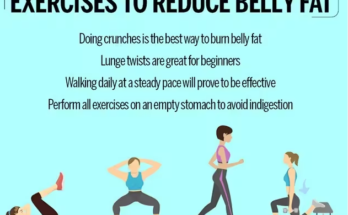
Movement is another key factor in supporting a leaner midsection. This does not require intense workouts or long hours at the gym. Gentle, regular activity such as walking, stretching, swimming, or cycling can be very effective when done consistently. These activities help the body use energy efficiently and promote overall strength and flexibility. Finding a form of movement that feels enjoyable increases the likelihood of sticking with it long term.
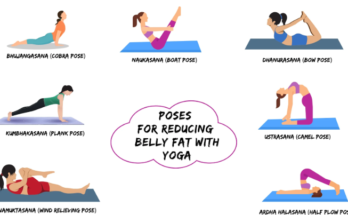
Core-strengthening exercises can provide additional support. When the muscles around the abdomen, back, and hips become stronger, posture improves and the midsection often appears firmer. Simple exercises performed a few times a week can contribute to noticeable changes over time. The goal is not perfection but steady improvement.
Sleep is often overlooked, yet it plays a major role in how the body manages energy and appetite. Inadequate rest can influence cravings and reduce motivation to make healthy choices. Establishing a consistent sleep routine allows the body to recover and maintain balance. Creating a calming bedtime environment, limiting screen time before sleep, and keeping regular hours can all contribute to better rest.
Stress management is equally important. Ongoing stress can affect the body in ways that influence weight distribution, particularly around the midsection. Taking time each day to relax and reset can make a meaningful difference. Practices such as deep breathing, gentle stretching, journaling, or spending time outdoors can help calm the mind and support overall wellness.
Posture also has a surprising effect on how the midsection looks. Standing and sitting upright engages core muscles and prevents the abdomen from appearing compressed. Over time, good posture habits can strengthen supportive muscles and improve appearance without any additional effort.
Another supportive strategy is being mindful of sugary beverages and excessive snacking. These items often add extra calories without providing lasting satisfaction. Replacing them with water, herbal teas, or whole food snacks can reduce unnecessary intake while still feeling enjoyable and fulfilling.
Consistency is far more important than intensity. Small actions repeated daily create more lasting change than occasional extreme efforts. Choosing one or two new habits at a time allows them to become part of routine life. As these habits become natural, additional supportive practices can be added comfortably.
It is also helpful to set realistic expectations. Changes in the midsection may take time to become noticeable. Patience allows the body to adapt in a healthy way. Progress may appear gradually, but it is often more sustainable and easier to maintain.
Listening to the body’s signals is another valuable skill. Hunger, fullness, fatigue, and stress all provide useful information. Responding to these signals with care helps maintain balance and prevents habits that work against personal goals. This awareness builds a positive relationship with daily routines and encourages mindful decision-making.
Social support can make the journey more enjoyable. Sharing goals with friends or family members, or participating in group activities, can provide encouragement and accountability. When healthy habits are shared, they often feel less like tasks and more like enjoyable parts of life.
Creating an environment that supports positive choices is also beneficial. Keeping nourishing foods visible, setting out comfortable walking shoes, or arranging a pleasant space for relaxation can gently encourage supportive behaviors without requiring extra effort.
Over time, these simple practices combine to create noticeable improvements. A leaner midsection becomes a natural result of balanced living rather than the outcome of strict rules. The focus shifts from appearance alone to overall comfort, strength, and well-being.
It is important to approach this process with kindness toward oneself. Progress is rarely perfectly linear. Some days may feel easier than others, and that is completely normal. Maintaining a calm, patient attitude helps prevent discouragement and supports long-term success.
Celebrating small improvements can keep motivation strong. Whether it is feeling more energetic, sleeping better, or noticing improved posture, these signs indicate that positive changes are taking place. Recognizing them reinforces the value of consistent effort.
Supporting a leaner midsection is ultimately about caring for the body in a balanced, thoughtful way. By nourishing the body with wholesome foods, engaging in enjoyable movement, prioritizing rest, managing stress, and building steady habits, lasting change becomes achievable without strain.
This gentle approach respects the body’s natural rhythms and encourages sustainable results. When these habits become part of everyday life, the midsection often reflects the benefits of overall wellness.