Many people hope to feel more comfortable around their midsection, yet the idea of “losing belly fat” often comes wrapped in intense routines, strict rules, and unrealistic expectations. In reality, the most lasting changes usually come from small, sustainable habits that support overall well-being. Gentle strategies focus on consistency rather than pressure, and on long-term balance rather than quick results. By building routines that nourish the body and calm the mind, it becomes easier to support a healthier waistline without stress or discomfort.
A helpful starting point is understanding that belly fat is influenced by a combination of factors. Daily movement, eating patterns, sleep quality, stress levels, and hydration all work together. When these areas are supported in a balanced way, the body gradually begins to respond. There is no need for extreme diets or exhausting workouts. Instead, simple lifestyle shifts can make a noticeable difference over time.
Eating in a mindful way is one of the gentlest and most effective strategies. Paying attention to hunger and fullness cues helps prevent overeating without the need for strict rules. Choosing meals that include vegetables, fruits, whole grains, lean proteins, and healthy fats allows the body to feel satisfied for longer periods. These foods provide steady energy and help reduce unnecessary snacking. Eating slowly and enjoying meals without distraction can also support better digestion and natural portion control.
Another supportive habit is maintaining a consistent meal routine. Skipping meals can sometimes lead to intense hunger later in the day, which may encourage overeating. Having regular meal times helps stabilize energy levels and supports balanced eating patterns. Including protein and fiber in meals can further help maintain fullness and comfort throughout the day.
Hydration is often overlooked, yet it plays an important role in overall wellness. Drinking enough water supports digestion, helps the body manage appetite signals, and encourages healthy metabolic function. Sometimes feelings of hunger are actually signs of thirst. Keeping a water bottle nearby can serve as a gentle reminder to stay hydrated throughout the day.
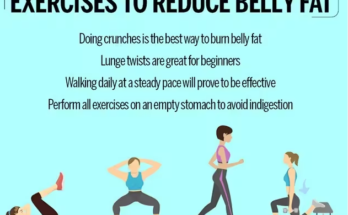
Movement does not have to be strenuous to be effective. Gentle activities such as walking, stretching, swimming, or cycling can support the body without causing strain. These forms of movement help improve circulation, support digestion, and encourage the body to use energy efficiently. Consistency matters more than intensity. A daily walk or a short session of light exercise can be more beneficial over time than occasional demanding workouts that are difficult to maintain.
Improving posture can also make a surprising difference in how the midsection feels and looks. Sitting and standing with proper alignment engages core muscles naturally and supports overall muscle tone. Small adjustments, such as sitting upright while working or taking breaks to stretch, can contribute to gradual improvement without any extra effort.
Sleep quality is another important piece of the puzzle. Inadequate rest can influence appetite hormones and increase cravings for highly processed foods. A calming bedtime routine, limiting screen time before sleep, and maintaining a consistent sleep schedule can all support deeper rest. When the body is well-rested, it functions more efficiently and responds better to healthy habits during the day.
Stress management is equally important. Ongoing stress may encourage the body to hold onto fat around the abdomen. Gentle relaxation practices such as deep breathing, journaling, listening to calming music, or spending time in nature can help lower tension. These practices do not require much time, yet they can have a positive impact on overall well-being and physical comfort.
Reducing reliance on highly processed snacks and sugary drinks can also support a healthier waistline. These items often provide quick energy but do not promote long-lasting fullness. Replacing them with whole food options such as fruits, nuts, yogurt, or homemade meals can lead to more stable energy and fewer cravings throughout the day.
Paying attention to portion sizes in a relaxed way is another helpful strategy. There is no need for measuring every bite, but being aware of serving amounts can prevent accidental overeating. Using smaller plates, serving food thoughtfully, and pausing before going for seconds can help the body recognize fullness more easily.
Patience plays a key role in gentle belly fat reduction. The body responds best to gradual, consistent care rather than sudden changes. Setting realistic expectations helps avoid frustration and encourages long-term commitment. Celebrating small improvements, such as feeling more energetic or sleeping better, keeps motivation steady without focusing only on appearance.
Social support can also make a difference. Sharing healthy meals with family, walking with a friend, or discussing wellness goals with supportive people can make these habits feel enjoyable rather than burdensome. Positive encouragement helps maintain consistency and makes lifestyle changes feel natural.
Limiting distractions while eating is another simple practice that supports mindful habits. Eating in front of a screen may lead to unconscious overeating. Sitting at a table, taking time to chew, and focusing on the meal allows the body to send clear signals of satisfaction.
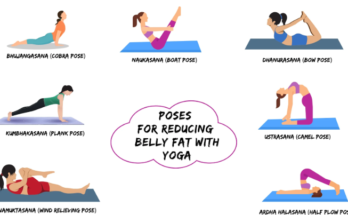
Including gentle core-strengthening movements a few times per week can support muscle tone around the abdomen. Simple exercises such as seated leg lifts, standing twists, or basic yoga poses engage the core without strain. These movements help improve stability and posture while complementing overall activity.
Finally, kindness toward oneself is essential. Progress does not need to be perfect to be meaningful. Some days will feel easier than others, and that is completely normal. Viewing this journey as a way to care for the body rather than control it creates a healthier mindset that supports lasting results.
Gentle strategies for belly fat reduction are not about strict rules or intense routines. They are about building supportive habits that improve overall wellness. By eating mindfully, moving regularly, resting well, managing stress, and staying hydrated, the body naturally moves toward balance. Over time, these small and consistent changes can lead to noticeable improvements in comfort, confidence, and health.