Many people notice changes around their midsection over time and wonder how to approach those changes in a balanced, realistic way. The truth is that managing belly fat is rarely about quick fixes or dramatic overhauls. Instead, it is usually the result of small, steady habits that support overall health and well-being. With a thoughtful approach, it is possible to feel more comfortable in your body while maintaining a lifestyle that is enjoyable and sustainable.
Understanding why belly fat develops can make the process feel less frustrating. Hormones, stress, sleep quality, age, and daily routines all influence how the body stores fat. Genetics also play a role, which means that comparing yourself to others is not helpful. Rather than focusing on appearance alone, it can be more encouraging to view midsection changes as part of a broader goal to improve energy levels, strength, and long-term health.
One of the simplest ways to begin is by paying attention to daily eating patterns. This does not mean following strict diets or eliminating entire food groups. Instead, aim to build meals that include vegetables, lean proteins, whole grains, and healthy fats. These foods help you feel full longer, reduce unnecessary snacking, and provide the nutrients your body needs to function well. Drinking enough water throughout the day can also make a noticeable difference, as thirst is often mistaken for hunger.
Portion awareness is another helpful habit. Many people do not realize how quickly portion sizes can increase over time. Using smaller plates, slowing down while eating, and listening to your body’s hunger cues can help prevent overeating without feeling deprived. Eating mindfully allows you to enjoy your meals while naturally supporting a leaner midsection.
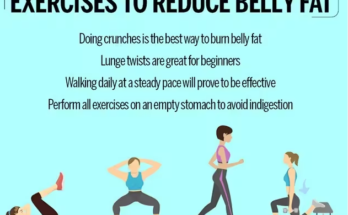
Regular movement is equally important, but it does not have to be intense or complicated. Walking, cycling, swimming, or light jogging can all contribute to burning calories and improving overall fitness. Strength training is especially beneficial because building muscle helps increase metabolism, which supports fat management over time. Even simple bodyweight exercises done at home can make a difference when practiced consistently.
Stress management often goes overlooked, yet it plays a major role in belly fat accumulation. When stress levels are high, the body releases hormones that encourage fat storage, particularly around the midsection. Finding ways to relax, such as deep breathing, gentle stretching, reading, or spending time outdoors, can have a positive effect not only on mental health but also on physical changes.
Sleep is another key factor. Poor sleep can disrupt hunger hormones and lead to cravings for high-calorie foods. Establishing a calming bedtime routine, limiting screen time before bed, and aiming for consistent sleep hours can help regulate these hormones and make it easier to maintain healthy habits throughout the day.
Reducing highly processed foods and sugary drinks can also support your goals. These items are often calorie-dense but low in nutrients, making it easy to consume more than needed without feeling satisfied. Replacing them with fruits, nuts, yogurt, or whole food snacks can help you stay energized and better manage your appetite.
It is also helpful to be patient with yourself. Changes around the midsection tend to happen gradually, and sustainable results often take time. Setting realistic expectations can prevent discouragement and help you stay committed to healthy habits. Tracking progress in terms of how you feel, your energy levels, or your strength can be more motivating than focusing only on measurements.
Consistency matters more than perfection. Missing a workout or enjoying a treat occasionally does not undo your efforts. What matters is returning to your routine without guilt. A flexible mindset makes it easier to maintain habits in the long term.
Social support can be surprisingly powerful. Sharing your goals with friends or family members, joining a walking group, or participating in a community activity can make the process more enjoyable. Encouragement from others often helps maintain motivation during slower periods.
Hydration deserves special attention as well. Drinking water before meals can help you feel fuller, and staying hydrated supports digestion and metabolism. Herbal teas and infused water can be pleasant alternatives if plain water feels repetitive.
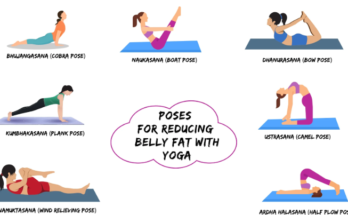
Posture and core engagement are small details that can have visible and functional benefits. Standing tall and practicing simple core exercises can improve muscle tone in the abdominal area, supporting a firmer appearance over time. Activities like yoga and pilates are especially helpful for strengthening the core while also reducing stress.
Limiting late-night eating can be another gentle adjustment. Eating large meals right before bed can interfere with digestion and sleep quality. Allowing a few hours between your last meal and bedtime gives your body time to process food more effectively.
Another helpful method is planning meals ahead of time. When healthy options are readily available, it becomes easier to avoid impulse choices that may not support your goals. Preparing simple meals in advance can save time and reduce decision fatigue during busy days.
It is also important to listen to your body’s signals. Feeling constantly hungry, overly tired, or deprived may indicate that your approach needs adjustment. Sustainable changes should feel manageable, not overwhelming. Small tweaks often lead to better long-term outcomes than drastic shifts.
Celebrating small milestones can keep motivation high. Noticing improvements in stamina, mood, or how clothes fit can reinforce positive habits. These small wins add up and remind you that progress is happening, even if it feels slow.
Incorporating gentle daily movement, such as taking the stairs or stretching during breaks, contributes more than many people realize. These small actions accumulate over time and support overall calorie balance without requiring structured workout sessions every day.
Finally, maintaining a positive mindset is one of the most important elements. Viewing the journey as an opportunity to care for your body rather than fix perceived flaws creates a healthier relationship with food, exercise, and self-image. This balanced perspective helps you stay consistent and prevents burnout.
Managing belly fat does not require extreme measures. By focusing on nourishing foods, regular movement, restful sleep, stress reduction, and patient consistency, you can support a healthier midsection while improving your overall quality of life. Over time, these easy methods become natural habits, leading to lasting benefits that extend far beyond appearance.